
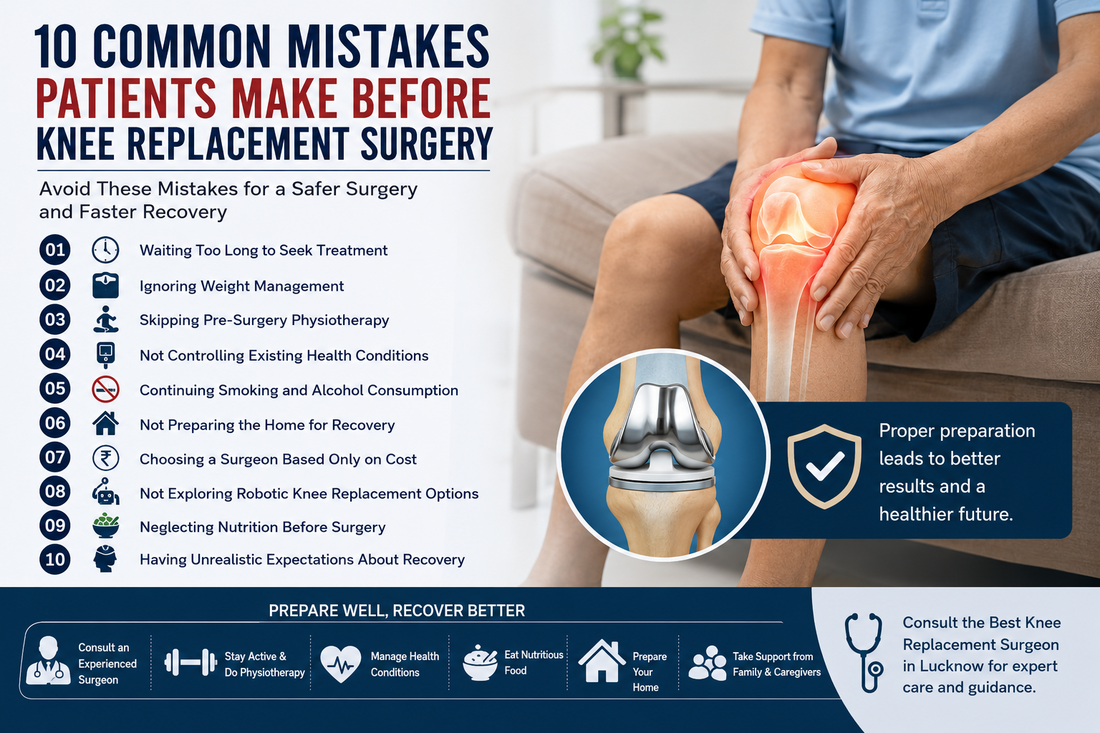
Undergoing knee replacement is a major step toward relieving pain and restoring mobility, but success depends on thoughtful preparation. Before you schedule surgery, you should evaluate multiple factors that influence outcomes, recovery time, and long-term satisfaction. A well-planned approach helps reduce complications, set realistic expectations, and align surgical goals with your daily life. In practice, what you do before the operation matters as much as the procedure itself. From medical clearance to rehabilitation planning, a thorough preoperative process empowers you to participate actively in the journey rather than simply endure it.
For a detailed checklist, consider the resource: what to evaluate before knee replacement surgery essential considerations/.
What to evaluate during preoperative medical clearance
Medical clearance is designed to identify conditions that could complicate surgery or recovery. Your care team will review cardiovascular health, blood pressure, heart rhythm, diabetes control, kidney and liver function, and any chronic illnesses that may affect healing. If you have sleep apnea, high body mass index, or a history of blood clots, your providers may request additional testing or a tailored plan. Smoking status is another critical factor; quitting smoking weeks before surgery improves wound healing and reduces risk. Review all medications with your clinician—anticoagulants, insulin, and certain anti-inflammatory drugs can require adjustment to minimize bleeding and interactions during the procedure.
A strong preoperative plan includes addressing pain management expectations, activity limits, and a timeline for rehabilitation. Don’t hesitate to ask about how different comorbidities might influence anesthesia, implant choice, and postoperative therapy. The goal is a clear path from prehab to return-to-function, with contingencies for any health considerations that arise.
Imaging, implant choices, and surgical planning
Imaging studies such as X-rays and sometimes MRI or CT scans help map joint alignment, bone quality, and the extent of cartilage loss. This information guides decisions about implant type, fixation method, and whether a partial or total knee replacement is most appropriate. Patients should discuss expected implant longevity, potential need for revision in the future, and how activity level may influence outcomes. Understanding the pros and cons of cemented versus cementless stems, cruciate-retaining versus substituting designs, and potential navigation or robotic assistance can help you participate actively in choosing the best option for your anatomy and goals.
Clinical goals should align with imaging findings. If significant bone loss or deformity is present, the surgeon may plan adjunct procedures such as ligament balancing or realignment. A thorough surgical plan reduces surprises in the operating room and sets the stage for smoother recovery.
Anesthesia, pain management, and DVT prevention
A well-structured anesthesia plan is central to comfort and safety. Regional techniques (nerve blocks) often complement general anesthesia, providing pain relief that reduces opioid needs after surgery. Your anesthesiologist will review airway, heart health, and clot risk, and may request optimization of blood pressure and heart rate during the procedure. Postoperative pain control, early mobilization, and thrombosis prevention are components of a comprehensive plan. Discuss potential side effects, recovery expectations, and strategies to minimize nausea, sedation, or fatigue that could hinder early movement.
Hydration, compression devices, and prescribed anticoagulants are commonly used to prevent deep vein thrombosis. Your care team should tailor these measures to your risk profile, ensuring a balance between protection and bleeding risk while enabling safe, progressive movement after surgery.
Rehabilitation expectations and physical preparation
Recovery hinges on a structured rehabilitation program. Prehab—physical therapy before surgery—can build strength, improve range of motion, and shorten downtime after the operation. Postoperative rehab generally includes supervised physical therapy, home exercises, assistive devices, and gradual return to daily activities. Realistic goals are essential: some patients regain full function within a few months, while others require longer timelines for strength and flexibility. A clear plan for home setup, transportation, and caregiver support helps maintain consistency and motivation throughout the recovery journey.
Patients should also prepare mentally for the process: committing to rehab, managing expectations, and recognizing that progress may be gradual. Good communication with the surgical team ensures adjustments are made when milestones aren’t met, reducing frustration and improving outcomes.
Financial, logistical, and lifestyle considerations
Financial planning is an important aspect of preparation. Review your insurance coverage, out-of-pocket costs, and any concurrent therapies or devices (like continuous passive motion machines) that may be recommended. Scheduling around work and family responsibilities, arranging transportation to and from therapy, and budgeting for medication and supplies can alleviate stress during the recovery phase. Some patients benefit from temporary home modifications, such as elevated seating or grab bars, to support safe movement during early rehabilitation.
Additionally, consider long-term lifestyle changes that support joint health, such as weight management, low-impact exercise, and adherence to a personalized activity plan. These efforts can enhance implant longevity and overall well-being after knee replacement.
Choosing the right surgeon and facility
Expertise matters. Look for a surgeon with a high volume of knee replacement procedures, strong patient outcomes, and transparent communication. Review facility accreditation, infection rates, and availability of multidisciplinary teams (physical therapy, nursing, pain management, and rehabilitation coordinators). Ask about implant options, surgical approaches, and recovery programs. A collaborative team that prioritizes patient education tends to deliver more consistent results and higher satisfaction rates.
If you are unsure where to start, explore more resources on the PostRules homepage.
In summary, what to evaluate before knee replacement surgery essential considerations/ encompasses medical clearance, imaging-guided planning, anesthesia strategy, rehabilitation readiness, financial logistics, and careful surgeon selection. By approaching these factors proactively, you can navigate the journey with confidence and improve your odds of a successful, pain-relieved future.