
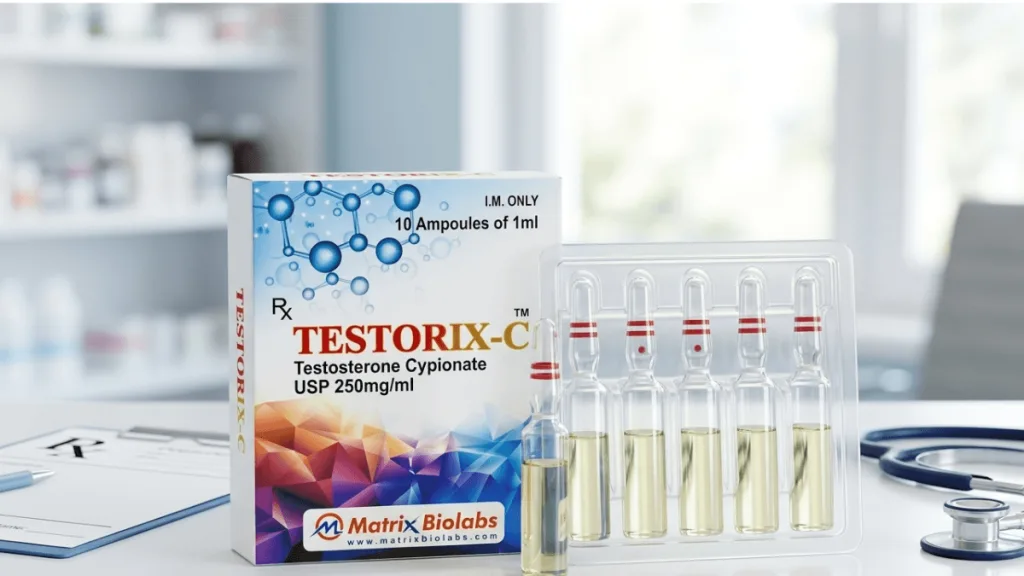
Hormone therapy can play an important role in managing conditions associated with low testosterone levels. Among the medicines used in testosterone replacement therapy, testosterone cypionate is a long-acting form of testosterone designed to help restore hormone levels when the body does not produce enough naturally. Interest in testosterone cypionate uk has grown among people researching testosterone replacement, but understanding its purpose, medical supervision, potential benefits, and risks is essential before considering treatment.
What Is Testosterone Cypionate?
Testosterone cypionate is an injectable form of testosterone belonging to a group of medicines known as androgen hormones. It is formulated by attaching testosterone to a cypionate ester, which allows the hormone to remain in the body for longer than some shorter-acting testosterone preparations.
Once administered, the compound is gradually processed by the body, releasing testosterone into the bloodstream. This longer-acting characteristic can help maintain testosterone concentrations over time, although the exact dosing schedule depends on the patient’s medical circumstances and the treatment protocol selected by a qualified healthcare professional.
Testosterone is naturally produced by the body and contributes to numerous physiological functions. These include supporting muscle and bone health, red blood cell production, sexual development and function, mood, energy, and the maintenance of reproductive tissues.
Why Is Testosterone Therapy Used?
Testosterone replacement therapy may be considered when an individual has consistently low testosterone levels accompanied by relevant symptoms. Low testosterone can have several possible causes, including disorders affecting the testes, pituitary gland, hypothalamus, or other parts of the endocrine system.
Possible symptoms may include reduced sexual desire, erectile difficulties, decreased muscle mass, fatigue, reduced bone density, and changes in mood. However, these symptoms can also occur because of many other medical or lifestyle factors. For that reason, testosterone therapy should not be based on symptoms alone.
Healthcare professionals generally evaluate symptoms alongside laboratory testing and medical history. Repeated hormone measurements may be required because testosterone levels naturally fluctuate according to factors such as time of day, illness, sleep, and other health conditions.
How Testosterone Cypionate Works in Hormone Therapy
The primary purpose of testosterone cypionate therapy is to increase testosterone availability when endogenous production is insufficient. After injection, testosterone is gradually released and metabolized, allowing it to interact with androgen receptors throughout the body.
These receptors are involved in a wide range of biological processes. Increasing testosterone to an appropriate physiological range may help address symptoms caused by genuine testosterone deficiency.
The objective of medically supervised treatment is not to produce excessively high hormone levels. Instead, clinicians generally aim to restore testosterone to an appropriate range while monitoring the individual’s response.
Potential Benefits of Appropriate Treatment
When testosterone deficiency has been properly diagnosed, replacement therapy may provide meaningful improvements for some patients. Potential benefits can include improved sexual interest, better maintenance of muscle mass, support for bone health, and improvement in certain symptoms associated with testosterone deficiency.
Some individuals may also experience improvements in energy or general wellbeing. However, responses differ considerably between patients. Testosterone therapy is not a universal solution for tiredness, weight management, athletic performance, or normal age-related changes.
A proper diagnosis is therefore an important part of determining whether treatment is appropriate.
The Importance of Medical Assessment
Before starting testosterone therapy, a healthcare professional should establish why testosterone levels are low. This may involve reviewing symptoms, medications, medical history, physical findings, and laboratory results.
Additional testing may be appropriate depending on the patient’s circumstances. Clinicians may also consider whether fertility is important because testosterone replacement can suppress the body’s natural production of testosterone and may reduce sperm production.
This is particularly important for people who are planning to have children. Alternative approaches may be considered in some situations, depending on the underlying cause of low testosterone.
Monitoring During Testosterone Therapy
Ongoing monitoring is one of the most important aspects of hormone replacement therapy. Testosterone levels may be checked to determine whether treatment is producing an appropriate hormonal response.
Healthcare professionals may also monitor other health markers, depending on the patient’s age, medical history, and treatment plan. These can include blood counts and assessments relevant to prostate health when clinically appropriate.
Patients should report concerning or unusual symptoms rather than adjusting their treatment independently. The dose or treatment interval may need to be modified according to laboratory results, symptoms, and side effects.
Possible Risks and Side Effects
Although testosterone therapy can be beneficial for appropriately diagnosed testosterone deficiency, it is not free from risks. Possible adverse effects can include acne, oily skin, changes in mood, fluid retention, breast tenderness, and increased red blood cell production.
Testosterone therapy can also suppress natural testosterone production and sperm production. This makes professional assessment especially important for individuals concerned about fertility.
There are also medical circumstances in which testosterone treatment may not be appropriate or may require particularly careful evaluation. A clinician can determine whether treatment is suitable after considering the individual’s overall health.
Understanding Testosterone Cypionate UK Options
People searching for testosterone cypionate uk should distinguish between legitimate medical treatment and products obtained from unreliable sources. The availability, licensing, prescribing requirements, and approved uses of medicines can vary between countries and can also change over time.
In the UK, prescription medicines should be obtained through legitimate healthcare and pharmacy channels. Buying injectable hormones from unverified websites or informal sellers can create risks involving counterfeit products, incorrect concentrations, contamination, or improper storage.
Patients should therefore discuss treatment with an appropriately qualified UK healthcare professional and use medicines supplied through lawful pharmaceutical channels.
Testosterone Therapy Is Not a Performance Shortcut
Testosterone has legitimate medical applications, but medically supervised hormone replacement is different from using anabolic steroids for bodybuilding or athletic performance.
Using testosterone at unnecessarily high doses can increase the likelihood of adverse effects and does not automatically provide better health outcomes. The purpose of replacement therapy is to address a medically established deficiency rather than to achieve hormone levels beyond the body’s normal physiological requirements.
People interested in improving strength, body composition, or athletic performance should not assume that testosterone treatment is medically appropriate for those goals.
Making an Informed Decision
Anyone considering testosterone therapy should approach the decision as a medical treatment rather than simply a product purchase. A qualified clinician can help determine whether symptoms are actually related to testosterone deficiency and whether another condition may be responsible.
A discussion should also cover expected benefits, possible risks, fertility considerations, monitoring requirements, and alternative treatment options. Patients should have an opportunity to ask questions and understand why a particular treatment approach has been recommended.
Conclusion
Testosterone cypionate can have an important role in hormone replacement therapy when testosterone deficiency has been properly diagnosed and treatment is medically appropriate. Its long-acting formulation can provide a practical method of testosterone administration, but the correct dose and treatment schedule must be determined individually.
For anyone researching testosterone cypionate uk, the most important considerations are accurate diagnosis, legitimate medicine supply, professional supervision, and regular monitoring. Testosterone therapy should not be viewed as a general treatment for aging, low energy, or athletic enhancement. When used for an appropriate medical indication and managed carefully, however, testosterone replacement can help address symptoms associated with genuine testosterone deficiency while supporting safer long-term care.