
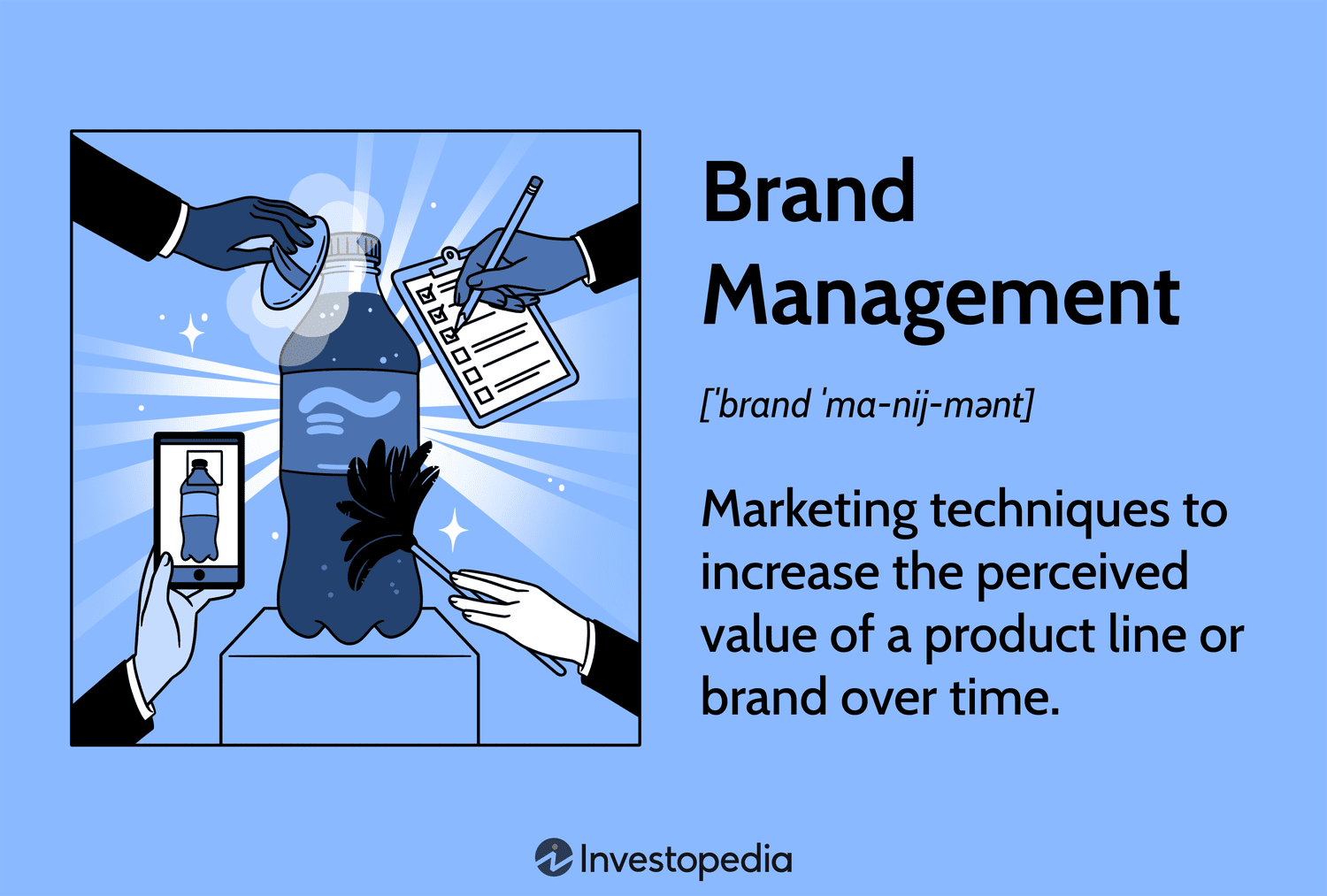
In a brand manager role, you balance strategy and execution to build brands that resonate. This position sits at the intersection of market insight, creative storytelling, and cross-functional leadership, making it essential for any company looking to grow its share of voice and strengthen customer loyalty.
Whether you’re evaluating a job description, preparing for an interview, or planning to transition from a marketing specialist to a broader leadership function, understanding the core elements of this role can help you set clear goals and measure progress.
What does a brand manager do?
A brand manager is responsible for shaping how a brand is perceived in the market. The role typically blends strategic planning with hands-on marketing activation. You identify target audiences, craft positioning statements, and ensure consistency across campaigns, product packaging, digital experiences, and partner programs. By aligning brand messaging with business goals, a brand manager drives long-term equity rather than short-term sales spikes alone.
Core responsibilities
- Develop and maintain brand strategy, including mission, values, and unique value proposition.
- Define brand guidelines to ensure consistent voice, visuals, and customer experience across all channels.
- Lead cross-functional projects with marketing, product, sales, and creative teams.
- Plan integrated campaigns, from concept to post-launch analysis, with clear KPIs.
- Manage budgets, timelines, and vendor relationships while safeguarding brand integrity.
- Monitor market trends, competitive activity, and customer feedback to adjust positioning.
- Measure impact with brand health metrics such as awareness, preference, and equity scores.
Skills and qualifications
Successful brand managers combine analytical thinking with creative vision. Strong communication and stakeholder management are essential to persuade leadership and coordinate diverse teams. Proficiency in data tools, consumer research, and attribution modeling helps translate insights into actionable plans. Prior experience in marketing or product roles is common, but adaptability and a demonstrable record of delivering consistent brand results are often the deciding factors in interviews.
Career path and growth
From the brand manager role, many professionals transition into brand director, marketing lead, or general management tracks. The trajectory depends on the company, industry, and willingness to take on broader business responsibilities. Building a portfolio of successful campaigns, a reputation for cross-functional leadership, and a habit of testing and learning will accelerate advancement. Additionally, earning certifications in brand strategy, customer insights, or product management can broaden opportunities.
Measuring success
Brand impact is rarely one-number metrics. Look for improvements in brand awareness, consideration, and preference, as well as changes in market share and net promoter scores. Leading indicators include consistency of messaging, quality of creative assets, and the efficiency of campaign delivery. A data-driven brand manager uses dashboards to track progress and iterates strategies based on what the data reveals.
Getting started
If you’re aiming for a brand manager role, start by building a strong base in market research, storytelling, and project leadership. Create a personal case study of campaigns you’ve guided, with clear objectives, actions, and measurable outcomes. Seek opportunities to collaborate with product teams, design studios, and customer insights groups to demonstrate your ability to align brand strategy with product and customer needs. For more industry context, visit the Scrollex UK homepage.