
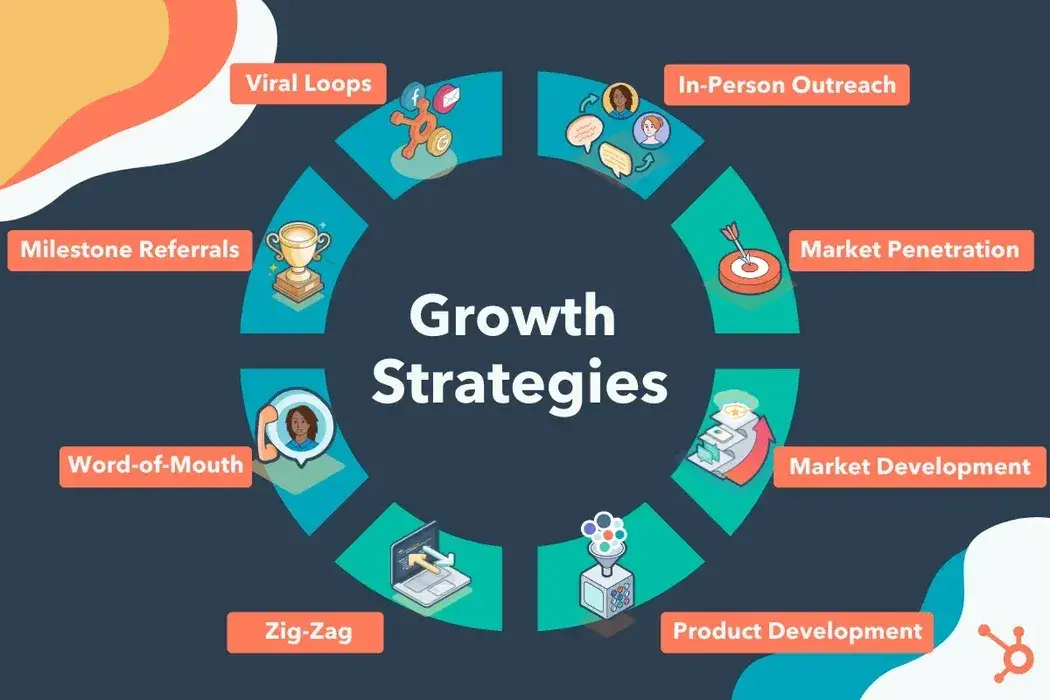
In a world where competition intensifies and client needs evolve quickly, every firm wants a clear picture of its future potential. The phrase firm prospects captures this forward-looking view—how a practice, consultancy, or law firm envisions growth, talent needs, and service demand over the next 12 to 24 months. Getting these prospects right isn’t just about revenue; it’s about aligning capabilities, brand position, and risk tolerance to sustainable results.
Effective prospect assessment starts with data. Historical billing, client mix, win-rate by practice area, and average matter value provide a baseline. When you pair these metrics with market signals—regulatory changes, industry consolidation, or technological disruption—you gain a sharper sense of where demand will come from and where it may contract. The goal is not to chase every opportunity but to identify a credible portfolio of firm prospects that match your core strengths and capacity.
Key indicators that reveal strong firm prospects
- Pipeline velocity: the rate at which prospects move from inquiry to engagement, and the consistency of those conversions.
- Client retention and expansion: repeat work and cross-sell opportunities signal durable demand.
- Competitive differentiation: whether your price, value, or service model creates a real moat in your markets.
- Market momentum: indicators such as regulatory changes or emerging industry needs that align with your practice areas.
- Talent and capacity alignment: the ability to staff projects without compromising quality or timelines.
To translate these indicators into a practical plan, many firms adopt a structured forecasting approach. Scenario planning helps teams imagine best-, worst-, and most-likely outcomes, while capacity planning ensures that growth in firm prospects does not outpace operational readiness. A reliable forecast guides investments in technology, marketing, and recruiting, preventing bursts of activity that fizz out when demand shifts.
Practical steps to strengthen your firm’s outlook
First, harmonize client data across departments. A unified view of matters, billing, and client feedback delivers a more accurate picture of future demand. Second, invest in client-centric marketing: content, seminars, and thought leadership that address the evolving needs of your core industries. This not only attracts new opportunities but also reinforces loyalty with existing clients. Third, test new service models—tiered packages, fixed-fee arrangements, or retainer-based work—that can convert uncertain prospects into predictable revenue streams.
Finally, regularly review the linked resources and case studies that illuminate growth strategies. For a detailed exploration of how modern companies measure growth, predict success, and build a sustainable future in competitive markets, see firm prospects. This perspective can help your leadership align strategy with day-to-day operations and set clear benchmarks for success.
For additional insights and practical examples, visit Lawblink, which aggregates resources and perspectives from top practitioners. A well-structured approach to firm prospects not only clarifies growth paths but also strengthens your competitive posture in a crowded market.
 Admin
Admin