
When stepping into the trucking industry, one key step is understanding the different types of roles available. For readers seeking a clear guide, our article on trucking jobs understanding the different types of trucking positions/ lays out the main paths, schedules, and responsibilities you’ll encounter. This overview helps you align your CDL with the right daily routine, miles, and home time.
Core trucking job categories
Trucking jobs fall into several broad categories based on how far you drive, how often you’re home, and who pays the bills for the trip. Each path has its own tradeoffs in pay, risk, and lifestyle. The right choice depends on your personal goals, safety preferences, and capacity for long hours behind the wheel.
- Local routes: Home every night, predictable hours, and steady work. Local drivers often operate within a city or regional network and handle pickups and deliveries for a single employer.
- Regional runs: More miles than local, with home time every week or two. Regional positions balance distance and consistency with more varied scenery.
- Over-the-road (OTR): Long-haul trucking that covers cross-country trips. OTR drivers may spend weeks away from home and typically earn higher per-mile pay.
- Dedicated lanes: A hybrid offering regular routes for a single customer. This path blends predictability with mileage that still qualifies as long-haul work.
Beyond these basics, many drivers transition between categories as they gain experience or seek new opportunities—from seasonal work to full-time regional gigs. Training programs and mentorship from seasoned drivers can smooth the move between local, regional, and OTR roles, helping you grow without sacrificing safety or job satisfaction.
Truck types and cargo
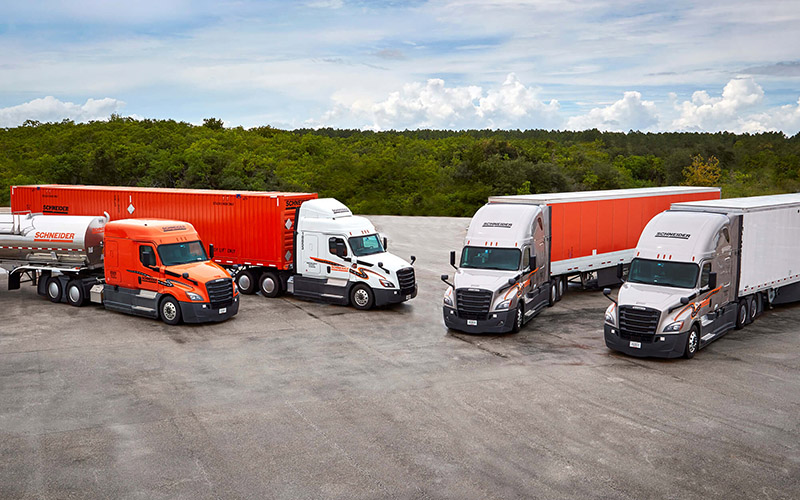
The kind of truck and cargo you haul shapes day-to-day duties as much as the schedule. Common configurations include:
- Dry van: The most common box trailer for general goods. Typical routes include consumer products and retail shipments.
- Refrigerated (reefer): Temperature-controlled goods such as produce, dairy, or frozen foods.
- Flatbed: Open platforms for building materials, machinery, or oversized items that don’t fit in a box.
- Tanker: Liquid cargo like fuel or chemicals, which often requires extra endorsements beyond the CDL.
- Intermodal: Combining truck moves with rail or ship legs to maximize efficiency.
Each truck type demands different skill sets, safety protocols, and maintenance knowledge. For example, tanker and hazmat roles require additional endorsements and strict adherence to federal regulations. Understanding these nuances helps you target postings that align with your training and long-term goals.
Specialized roles and endorsements
Beyond the basics, specialized trucking positions open in-demand opportunities for drivers with advanced credentials. Hazmat endorsements, multiple-ride permits, and heavy-haul qualifications can unlock higher earnings, but they come with heightened safety responsibilities and regulatory requirements. If you’re considering a specialty, plan for focused training, scheduled practice runs, and time to build a reputable safety record.
Lifestyle, pay, and long-term growth
Choosing the right trucking job depends on your priorities. If you value being home most evenings, local or regional roles may fit. If you’re chasing higher earnings and aren’t worried about time away, OTR or dedicated lanes could be more lucrative. Pay structures typically combine a base mileage rate with bonuses for safety, fuel efficiency, or on-time deliveries. As you gain experience, you can pursue fleet leadership, trainer roles, or owner-operator options for further growth.
Other factors to weigh include equipment quality, benefits packages, retirement plans, and the stability of the carrier. A strong employer will offer onboarding support, ongoing training, and access to maintenance resources so you can focus on safe driving and on-time deliveries. Staying current with hours-of-service rules and a clean driving record remains essential for advancing in any trucking track.
How to start researching trucking positions
Begin by listing your priorities: home time, miles per week, and risk tolerance. Then compare offers by considering miles, layovers, detention pay, benefits, and maintenance support. Many drivers begin with a company driver role to learn the ropes before exploring owner-operator or lease options. Networking with other drivers, attending industry job fairs, and enrolling in CDL training programs can also accelerate your path. Don’t overlook ride-alongs or mentorships that expose you to daily routines across different trucking jobs.
For more resources, check the Magazism homepage.
 Admin
Admin