
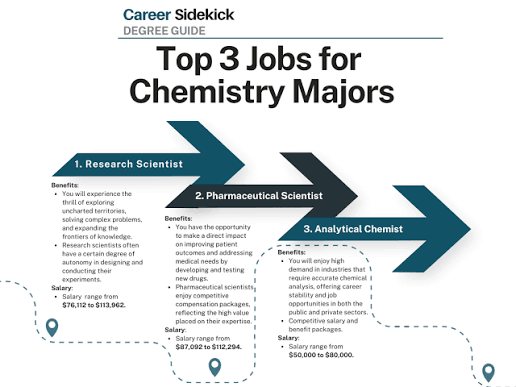
Choosing a college major is about forecasting the long-term value of your education. The chemistry and chemical engineering fields offer a mix of tangible lab work, practical applications, and opportunities to contribute to everyday products—from cleaning agents to medicines and sustainable materials. If you’re curious about job security, salary potential, and personal growth, you’re not alone. The chemical sector attracts students who enjoy problem solving, data analysis, and hands-on experimentation.
Career paths in the chemical industry
Career paths in the chemical industry span research, production, quality, and compliance. Graduates can pursue roles such as process chemists, formulation scientists, materials researchers, process engineers, quality assurance specialists, and regulatory affairs coordinators. Many positions exist in pharmaceutical, petrochemical, agrochemical, and specialty chemical companies, as well as in consumer goods firms that rely on safe, scalable chemistry. Entry-level roles often emphasize internship experience, lab skills, and the ability to work cross-functionally with manufacturing, safety, and supply chain teams.
- Process chemistry and formulation development
- Quality control, quality assurance, and analytical testing
- Regulatory affairs and safety compliance
- Process engineering and scale-up
- Research and development in materials or pharmaceuticals
These roles offer opportunities across sectors, including healthcare, energy, foods, cosmetics, and environmental services. They also provide a strong bridge between foundational science and real-world products, making hands-on experience in labs and internships highly valuable. In addition to traditional roles, startups and contract manufacturers increasingly hire chemists for rapid prototyping, process optimization, and quality improvements, offering a dynamic work pace and opportunities to contribute early in a product lifecycle. Networking and internships remain crucial for landing these varied opportunities.
Is it a good career path? What you should know
Many ask: is major chemicals a good career path. The answer depends on your interests, adaptability, and willingness to continue learning as technologies evolve. If you enjoy turning theory into tangible products, the path can be rewarding and stable. Those who stay curious and proactive may find growing opportunities in sustainable chemistry, energy storage materials, biotech manufacturing, and advanced polymers. The field also demands safety discipline, regulatory awareness, and ongoing professional development. While salaries vary by geography and sector, the industry generally offers competitive starting pay and clear paths to advancement with experience and education.
Skills to thrive in the chemical industry
- Strong fundamentals in chemistry and mathematics
- Lab proficiency and meticulous attention to detail
- Data literacy and familiarity with analytics tools
- Effective communication and cross-functional collaboration
- Commitment to safety, quality, and regulatory standards
- Basic programming or data analysis skills (e.g., Python, Excel)
- Understanding of GMP/GLP and environmental health and safety principles
Industry outlook and growth areas
The industry continues to evolve with demand for skilled chemists in drug development, sustainable materials, and energy technologies. Don’t overlook the increasing role of data science, automation, and process optimization in driving efficiency. Global collaboration on regulatory submissions and manufacturing standards also creates opportunities to work with diverse teams across borders. Emerging areas such as green chemistry, recycling of plastics, and advanced battery chemistries are expanding both research and manufacturing roles, inviting chemists to apply core science in meaningful, scalable ways.
Gaining hands-on experience
Universities and companies offer internships and co-op programs that place students in real production and research environments. Early experience, even for a semester, can yield practical project results and a better sense of daily work life. Seek roles that expose you to GMP, safety culture, and cross-disciplinary teams. Networking with professors and joining professional societies can unlock additional internship and entry-level openings. Participation in student chapters of the American Chemical Society or similar organizations also strengthens resumes and professional connections.
To explore industry insights and career resources, visit BusinessVert for guides, articles, and expert interviews.
With the right preparation, a major in chemistry or chemical engineering can open doors to meaningful work and long-term growth. Research programs, internships, and professional networks will help you determine if this is the right fit.
 Admin
Admin