
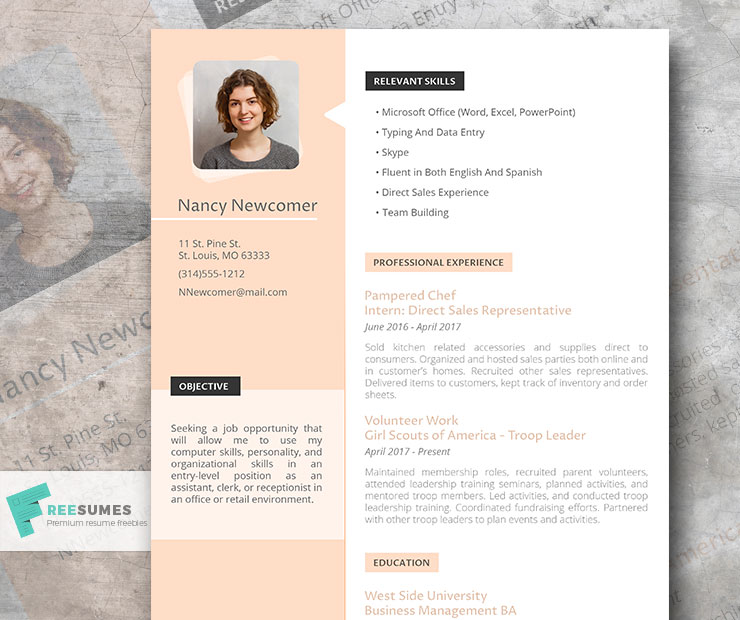
Starting your career journey can feel daunting, especially when you’re putting together your first resume. Employers know that you’re just entering the workforce, so your resume should highlight potential, not decades of experience. The goal is to present who you are, what you’ve learned, and how you can contribute to a team from day one. If you’re looking for a clear roadmap, how to make a resume for first job is a great starting point to understand the essentials and common pitfalls.
Why this matters for first-time job seekers
Recruiters spend only a few seconds scanning each resume. A clean, focused document helps you pass that initial screen and land an interview. For first jobs, hiring managers value evidence of initiative, responsibility, and learning ability—traits that can be demonstrated through coursework, projects, internships, volunteer work, and relevant hobbies. A resume that clearly maps these experiences to the skills employers seek will stand out more than a longer, unfocused document.
A practical, step-by-step approach
Use this framework to build your resume efficiently. Remember to tailor each section to the job you apply for and keep formatting consistent for readability.
- Choose the right format. For most first jobs, a chronological or combination format works best. If you have strong education or project work but limited work experience, a combination resume can highlight skills first, followed by education and experience.
- Start with contact information. Include your name, phone number, professional email, LinkedIn profile, and optional portfolio link. Avoid outdated addresses and personal details like birthdate or marital status.
- Craft a concise summary or objective. A 2–3 sentence statement that communicates your goals, relevant strengths, and what you bring to the role. Make it specific to the position you’re applying for.
- Highlight education and projects. If you’re a student or new graduate, place education near the top. Include relevant coursework, capstones, labs, and notable projects with measurable outcomes.
- Show transferable skills from experiences. Volunteer work, internships, clubs, and part-time roles all demonstrate teamwork, communication, time management, and problem-solving. Tie each skill to a brief, concrete example.
- Include keywords for applicant tracking systems (ATS). Mirror the job description’s terms for skills, tools, and responsibilities to improve the chance your resume is seen by humans.
- Polish the layout and proofread. Use a clean font, 0.5–1 inch margins, and consistent bullet styles. Run spelling and grammar checks to avoid simple mistakes that can undermine credibility.
Key sections that matter for a first job
Structure helps hiring managers quickly assess fit. Consider including the following sections in this order:
- Contact information
- Professional summary or objective
- Education (institution, degree, expected graduation date, GPA if strong)
- Projects or coursework (brief descriptions and outcomes)
- Internships, part-time roles, or volunteer experience
- Skills (technical and soft skills relevant to the role)
- A brief interests or activities section if it highlights leadership or teamwork
- Certifications or awards (relevant to the job)
Design tips to improve readability and impact
Visual clarity matters as much as content. Use a single-column layout, bold headings for each section, and bullet points to keep information digestible. Choose a professional, sans-serif font, and ensure adequate contrast between text and background. Save your resume as a PDF to preserve formatting across devices, unless a recruiter requests a different file type. Finally, keep the resume to one page if you have limited experience; two pages are acceptable when you have substantial relevant coursework, projects, or internships.
For more detailed guidance and templates, how to make a resume for first job offers actionable steps and examples you can model. If you’d like additional career resources and template options, you can explore the ReadsNow homepage for broader guidance.
Next steps
Draft your first version, then solicit feedback from mentors, professors, or career services. Iterate by tailoring the resume to each job description and updating it after new experiences. With a focused approach, your first resume can open doors to internships, entry-level roles, and the start of a meaningful career.
 Admin
Admin