
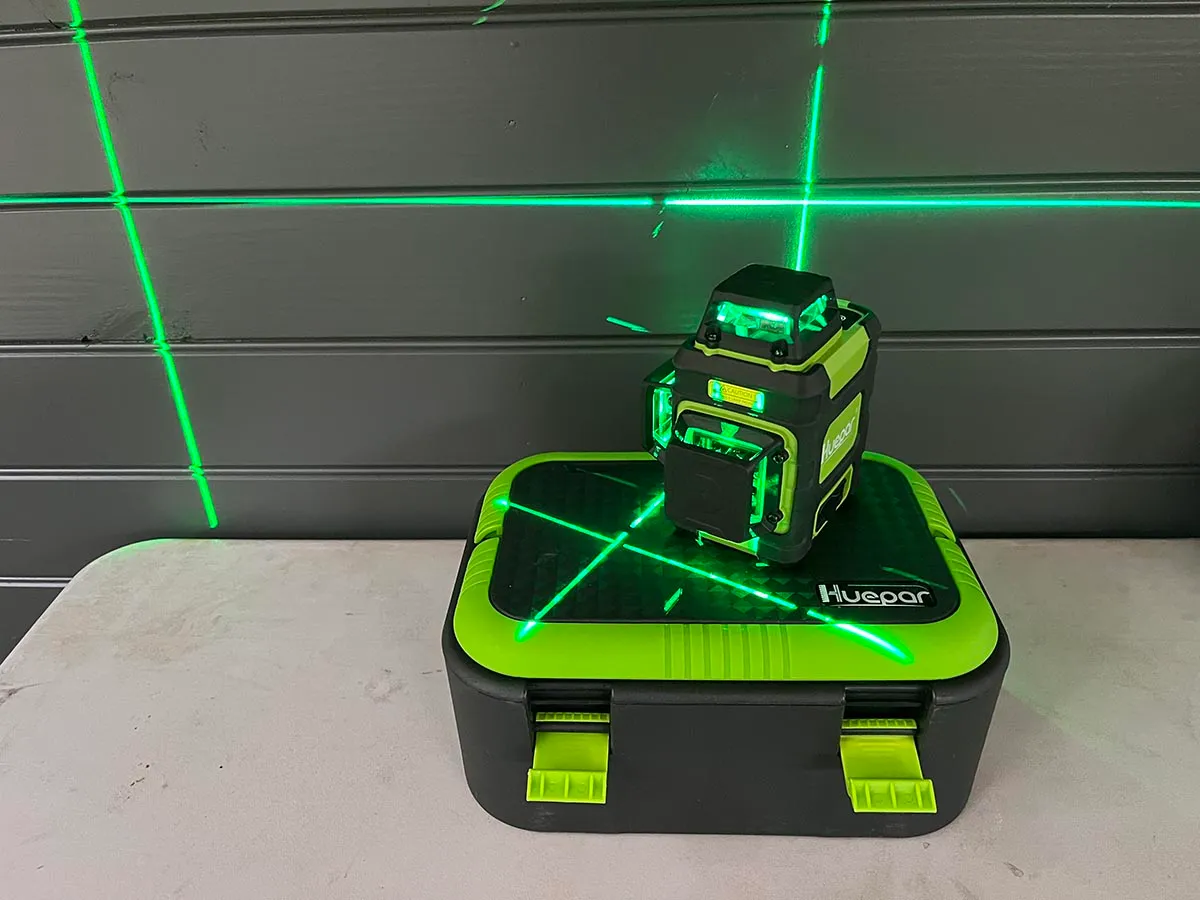
Whether you’re hanging kitchen cabinets, aligning a drywall seam, or installing a new backsplash, a precise alignment matters more than muscle and guesswork. A reliable tool can save time, reduce waste, and bring professional results to DIY projects. In the realm of construction and interior work, choosing the right hardware starts with understanding how laser levels work and what features truly matter. The term best laser level is more than a marketing slogan—it’s a practical hint about accuracy, stability, and ease of use. For shoppers who want a trusted starting point, the best laser level option signals a blend of self-leveling performance, visibility, and battery life that can handle both indoor tasks and light outdoor applications.
What is a laser level?
A laser level projects a visible line, point, or rotating beam that serves as a reference from which you level furniture, cabinets, and tile. Most models combine a leveling mechanism with a sensor or pendulum to maintain an accurate plane, even if your surface is slightly imperfect. Depending on the job, you might choose line lasers for long straight runs, dot lasers for precise point transfers, or rotary lasers for continuous horizontal and vertical coverage on larger sites.
Types of laser levels
- Line laser: Projects one or more horizontal and/or vertical lines, great for aligning multiple objects at once.
- Dot laser (or point laser): Emits crosshairs or single points for quick transfer from a center mark to walls or fixtures.
- Rotary laser: Spins a beam around a room to create a 360-degree reference, ideal for tall ceilings, exterior work, or outdoor sites.
Key features to look for
- Accuracy and grade: Check the specification, such as 1/16 inch at 30 feet, to ensure it meets your project needs.
- Self-leveling capability: A fast self-leveling mechanism saves setup time and reduces errors on imperfect surfaces.
- Visibility and brightness: A bright beam, supported by pulse mode for outdoor viewing, helps you work in daylight.
- Range and outdoor performance: Longer ranges and improved beam visibility expand where you can use the tool.
- Durability and IP rating: A rugged housing and dust/water resistance protect the device on job sites.
- Mounting versatility: Tripod compatibility, wall mounts, and magnetic bases increase positioning options.
- Battery life and charging: Longer battery life reduces downtime between tasks and measurements.
How to choose and use a laser level
Start by outlining your typical projects—kitchens, bathrooms, or exterior framing—and then map those tasks to a laser level type. For indoor work with frequent transfers, a line laser with self-leveling is usually sufficient. For large rooms or outdoor decks, a rotary laser with good outdoor visibility becomes more practical. When using any laser level, place the device on a stable tripod, calibrate as needed, and verify the line or point against a known reference before proceeding. Protect the device from drops and moisture, and keep the beam aligned by revisiting calibration after rough handling.
If you want more buying guides and independent reviews, visit the Readox homepage for additional resources and comparisons.
 Admin
Admin