
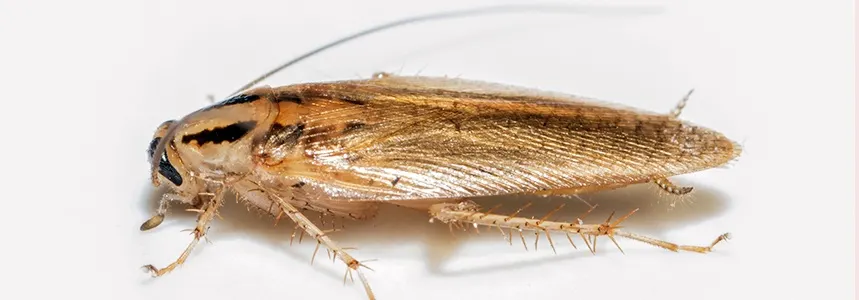
German cockroaches are among the most persistent indoor pests. They reproduce quickly, hide in tight gaps, and contaminate surfaces with bacteria. If you’re facing an infestation, the right approach can make a big difference. The key is not just selecting any product, but choosing a german roach killer that targets this species, is safe for your home, and fits your routine. This guide outlines practical steps to identify effective products, apply them correctly, and reduce the chances of a return.
Understanding the Threat and What to Expect
German roaches thrive in kitchens and bathrooms where warmth, moisture, and food residues are plentiful. They tend to move quickly at night, jumbling into cracks, behind appliances, and inside cabinets. A competent control plan combines sanitation, exclusion, and an appropriate killer. Remember that no single method guarantees instant eradication; ongoing monitoring and a multi-pronged approach yield the best results.
What to Look for in a German Roach Killer
When selecting a product, consider these factors:
- Target specificity for Blattella germanica (the German cockroach) or broad-spectrum roach control.
- Active ingredients with proven effectiveness, ideally with a slow-acting option that allows bait to be carried back to nests.
- Multiple formats that fit different spaces: gels for cracks, bait stations for under sinks, and residual sprays for wide surfaces.
- Safety labels that address households with kids and pets, plus clear instructions for use and storage.
- Compatibility with integrated pest management (IPM) strategies, so you can combine products with sanitation and exclusion tactics.
One practical route is to explore a german roach killer that brings together bait gels, stations, and selective sprays designed for kitchens and bathrooms. Such a combination helps attract roaches, deliver lethal doses, and limit roaming. Always read the product label and follow the directions for the specific environments in your home.
Types of Killers and How to Use Them
Different formats serve different purposes. Here are common options and how they fit into an IPM plan:
- Gel baits: Highly effective when applied in cracks, behind appliances, and at baseboard corners. They attract roaches and deliver toxins that roaches share with others through social feeding.
- Bait stations: Convenient for households with children and pets. Place them along walls and near suspected hotspots to maximize encounters.
- Residual sprays: Provide a protective layer on hard surfaces. Use sparingly and avoid food preparation areas unless the label explicitly allows it.
- Insect growth regulators (IGRs): Disrupt maturation and help prevent quick rebounds. Use as part of a long-term strategy rather than a single-treatment fix.
- Diatomaceous earth or powder products: Useful as a supplementary measure in cracks and voids, but they work best when roaches have access and surfaces remain dry.
Step-by-Step Safe Application
To maximize safety and effectiveness, follow these steps:
- Declutter and seal obvious entry points to limit roach movement between rooms.
- Clean surfaces, wipe down spills, and remove food residues to reduce attractants.
- Apply gels and bait stations in quiet, dark areas where roaches hide—under sinks, along pipes, and behind appliances.
- Keep bait away from open food areas, utensils, and children’s zones. Allow roaches to feed and return to their nests for a controlled die-off.
- Reapply as directed by the product label, and monitor activity for several weeks to assess progress.
Prevention and Long-Term Control
Eliminating roaches is as much about prevention as about treatment. Regular cleaning, promptly sealing leaks, and storing food in sealed containers reduce appeal. Fixing moisture problems and minimizing clutter around cabinets and pipes makes it harder for roaches to thrive. Pairing a targeted killer with ongoing sanitation creates a sustainable solution that lowers the risk of re-infestation.
For more information on trusted options and to explore products crafted for German cockroaches, visit the MagClone homepage.
 Admin
Admin