
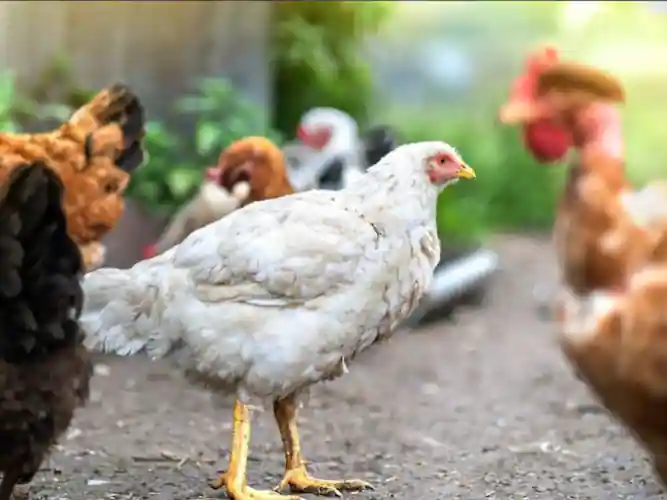
Choosing the right chicken for a dish can affect texture, flavor, and even cooking time. In many kitchens, the debate centers on desi chicken vs broiler chicken/. Understanding how these two categories differ helps you select the best bird for a recipe, budget, and culinary goal.
What is desi chicken?
Desi chicken refers to traditional or native breeds, often raised in free-range or village settings. These birds usually grow more slowly, exercise more, and develop a tougher, more muscular texture. The meat tends to carry a deeper, more rustic flavor with a hint of gaminess, especially when raised on varied diets and natural forage. Because they grow at a natural pace, desi chickens can be more elastic in cooking time but require patience to prevent tough results if overcooked.
What is broiler chicken?
Broiler chickens are modern hybrid birds bred for rapid growth, high feed efficiency, and uniform size. They reach market weight in a relatively short period, producing tender, juicy meat with a mild, neutral flavor. The fast growth also means the birds can be more prone to stress if raised in crowded housing, so sourcing and welfare practices matter. When cooked correctly, broilers respond well to quick searing, roasting, or grilling.
Nutritional and culinary differences
Desi chicken often contains slightly higher levels of connective tissue and minerals that contribute to a richer mouthfeel. Some cooks report more lipids in desi meat, which can enhance flavor when slow-cooked. Broiler chicken typically delivers higher protein-per-ounce with a softer texture that absorbs marinades readily. The fat distribution differs as well; desi meat may render differently in slow braises, while broiler meat shines in fast-cook recipes like sautés and roasts. Nutritionally, both provide excellent protein, iron, and B vitamins, but the exact values depend on diet, age, and growing conditions.
Cooking tips for each type
For desi chicken: plan for longer braises or slow cooking to tenderize the meat. Consider spice blends that complement a deeper flavor profile—ginger, garlic, cumin, coriander, and smoky peppers work well. Pressure cooking or long simmers can yield juicy results without drying out the meat.
For broiler chicken: use quick-cook methods such as grilling, pan-searing, or high-heat roasting. Marinades with citrus, yogurt, or mild acids can keep the meat moist. Avoid overcooking, which can dry out the tender muscle fibers typical of fast-growing birds.
Flavor, texture, and application
Desi chicken gives a robust flavor and a chewier bite, making it ideal for traditional curries, stews, and street-food-inspired preparations where the meat absorbs spices over longer cooking. Broiler chicken suits lighter sauces and dishes that benefit from clean chicken taste and a delicate, slicing-friendly texture. When planning menus, think about whether you want a piece of meat that stands up to strong spices or a versatile base that complements sauces and sides.
Ethics, sourcing, and safety
Ethical considerations often differ between desi and broiler production. Free-range or village-raised birds may offer welfare advantages, while highly controlled broiler operations emphasize biosecurity and uniformity. Regardless of type, buy from reputable markets, check freshness, and handle poultry with proper hygiene to ensure safe cooking.
To explore more practical comparisons and related guides, visit the Magzinera homepage for additional cooking tips and product reviews.
For a focused read on the exact topic, you can also refer to the dedicated article page here: desi chicken vs broiler chicken/.
Both desi chicken and broiler chicken offer distinct advantages depending on your recipe, time, and preferences. By understanding growth practices, texture, and flavor profiles, you can choose the right bird and tailor your cooking method to maximize enjoyment. Whether you crave the hearty, aromatic appeal of desi meat or the reliable tenderness of broiler meat, informed selection leads to tastier, more satisfying meals.