
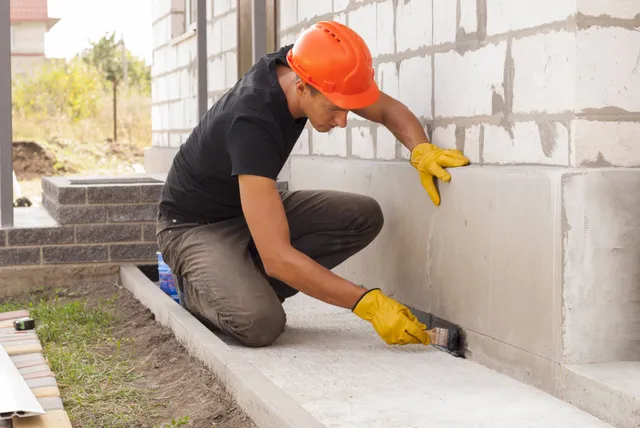
When your home shows signs of shifting or cracking, you may need concrete foundation repair guidance to restore stability and protect value. Understanding when to act can save money and prevent more extensive damage.
Recognizing the Warning Signs
Foundations rarely fail overnight, but subtle indicators accumulate over time. Look for walls that bow, diagonal or stair-step cracks in brick or plaster, doors and windows that refuse to latch properly, and floors that slope or feel uneven. Moisture intrusion, efflorescence on concrete, or damp basement corners also point to drainage or structural issues beneath the slab or footer. Early detection gives homeowners more options and reduces repair costs.
Common Causes Behind Foundation Movement
Soil behavior plays a major role. Expansive clay soils swell when wet and shrink when dry, exerting pressure on foundations. Poor drainage around the perimeter concentrates water near footings, accelerating settlement. Tree roots can also alter soil structure and remove moisture from supporting soils. In some cases, poor construction practices or inadequate compaction during the original build contribute to premature movement. Identifying the root cause guides the repair design and long-term performance.
Repair Options and When to Use Them
Repair strategies depend on the type and extent of movement. For minor cracks and non-structural issues, epoxy or polyurethane injections can seal cracks and limit water infiltration with minimal disturbance. When settlement or sinking is more pronounced, underpinning or pier-and-beam supports may be required to restore level conditions. Slabjacking (also known as foam injection) can raise a sunken slab by adding a lightweight material beneath it. In severe cases, a full structural assessment might lead to replacing or reinforcing weakened columns and footings. A professional engineer or foundation contractor can design a tailored plan that addresses both stability and moisture control.
Water management is often paired with structural work. Installing or upgrading drainage systems, grading the landscape away from the foundation, and adding exterior waterproofing membranes can prevent future issues. Inside, consider using dehumidification in crawl spaces and basements to reduce humidity, which can contribute to wood rot and mold alongside concrete concerns. For homeowners seeking broader context, the Mindspaper resource about this topic covers signs, repair options, water-control systems, and more.
To explore more about the topic and see practical case studies, visit Mindspaper.
Choosing the Right Professional
Foundation work demands specialized knowledge, equipment, and adherence to local codes. When evaluating quotes, ask about inspected soil conditions, load calculations, proposed underpinning methods, and any warranty coverage. Request a written plan that includes expected timelines, access to the work area, and a clear explanation of how drainage and moisture control will be addressed after repairs. Verifying credentials and reading recent client reviews can help ensure you’re choosing a qualified contractor rather than a quick fix.
Disclaimer: This article provides general information and is not a substitute for professional assessment. Every foundation has unique conditions that require an individual solution.