
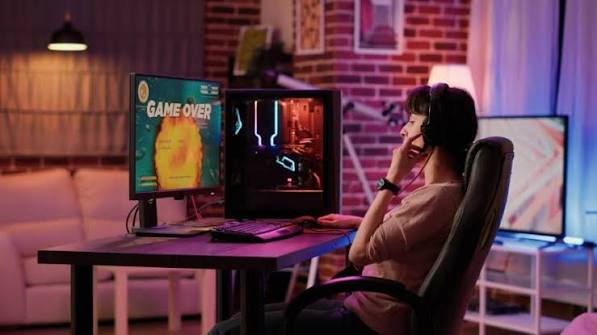
Online streaming has become one of the most popular forms of digital entertainment. Millions of people around the world watch live broadcasts and recorded streams to learn new skills, enjoy entertaining casino hot wallets content, follow their favorite creators, and connect with online communities. Platforms such as YouTube, Twitch, TikTok, and Facebook Live have made it easier for creators to share their interests with audiences worldwide. As streaming continues to grow, different types of streamers have developed unique styles, content formats, and ways of engaging viewers.
Understanding the different categories of online streamers helps audiences discover content that matches their interests. It also provides aspiring creators with ideas for choosing a niche and developing their own online presence.
1. Gaming Streamers
Gaming streamers are among the most recognizable personalities in the online streaming industry. They broadcast themselves playing video games while interacting with viewers through live chats, commentary, and community activities. Their content may include competitive matches, casual gameplay, tutorials, challenges, and gaming reviews.
Popular games such as Minecraft, Fortnite, League of Legends, and various sports simulation games attract large audiences. Some streamers focus on professional-level gameplay, while others entertain viewers with humor, creative challenges, or friendly conversations.
Gaming streamers often build loyal communities by maintaining regular schedules and responding to audience comments. Their success depends on a combination of gaming ability, communication skills, personality, and consistent content creation.
2. Live Chat and Lifestyle Streamers
Live chat streamers focus primarily on conversations rather than a specific activity. They may discuss everyday experiences, answer audience questions, share opinions, or talk about trending topics. This type of content creates an informal environment where viewers can feel involved in the discussion.
Lifestyle streamers often share aspects of their daily routines, hobbies, travel experiences, personal projects, and interests. Some broadcast while preparing meals, organizing their workspace, or exploring new places.
The main attraction of lifestyle streaming is its personal and relatable nature. Audiences may return because they enjoy a creator’s personality and the sense of community surrounding the channel. However, successful streamers should maintain appropriate boundaries and avoid revealing private information during broadcasts.
3. Educational and Tutorial Streamers
Educational streamers use live broadcasts to explain concepts, demonstrate skills, and help viewers learn something useful. Their subjects can include programming, mathematics, language learning, graphic design, photography, digital marketing, and academic study techniques.
For example, a programming streamer might build a small application while explaining each stage of the process. A language teacher could conduct live vocabulary lessons and answer questions from learners. Similarly, a design creator might demonstrate how to use professional editing software.
Educational streaming works well because it combines visual demonstrations with real-time interaction. Viewers can ask questions immediately instead of waiting for answers in a comment section.
Creators in this category benefit from clear explanations, well-organized lessons, and accurate information. Providing downloadable resources or organized recordings can also help viewers revisit important concepts after a broadcast ends.
4. Music and Performance Streamers
Music streamers use online platforms to share musical performances, creative sessions, and discussions about their craft. Their content may include singing, playing instruments, producing original tracks, teaching music theory, or demonstrating recording techniques.
Some musicians perform live concerts for online audiences, while others create relaxed sessions where viewers can suggest songs or ask questions about the creative process. DJs and electronic music producers may also stream their mixing sessions and explain how they develop different sounds.
Performance streaming allows artists to reach people beyond their local communities. Independent musicians can introduce original work, receive feedback, and develop relationships with listeners without relying entirely on traditional performance venues.
Creators should pay attention to copyright rules when broadcasting music, particularly when using recordings or compositions they do not own or have permission to perform.
5. Art and Creative Streamers
Art streamers share the process of creating something rather than showing only the finished result. Their broadcasts may feature drawing, painting, digital illustration, animation, crafting, photography editing, or other creative activities.
Watching an artist work can help viewers understand techniques that are difficult to explain through written instructions. Creators may discuss color selection, composition, software tools, materials, and problem-solving methods while completing a project.
Some art streamers organize audience challenges or invite viewers to suggest themes for future creations. Others specialize in educational demonstrations designed for beginners.
This category appeals to people who enjoy visual creativity, whether they want to develop their own skills or simply watch an artistic process unfold. A calm atmosphere, clear camera angles, and informative commentary can make creative streams especially engaging.
6. Sports and Fitness Streamers
Sports and fitness streamers focus on physical activity, athletic interests, sports discussions, and healthy lifestyle education. Their content can include exercise demonstrations, sports analysis, training discussions, live commentary, and interviews with athletes or coaches.
Sports enthusiasts may broadcast discussions about major competitions, explain team strategies, or review important moments from sporting events. Fitness creators might demonstrate beginner-friendly movements, discuss recovery habits, or share general information about maintaining an active lifestyle.
This category brings together audiences who enjoy sports or want to learn more about physical activity. Responsible creators emphasize safe techniques, realistic expectations, and the importance of adapting activities to individual abilities.
They should also avoid presenting themselves as qualified medical professionals unless they possess the relevant credentials. Clear distinctions between personal experience and professional advice help audiences make informed decisions.
7. Technology and Product Review Streamers
Technology streamers discuss digital tools, electronic devices, software, gaming equipment, mobile applications, and emerging technological developments. Their broadcasts may include product demonstrations, comparisons, troubleshooting sessions, and explanations of new features.
For example, a technology creator might demonstrate how a new application works or compare the everyday functionality of different devices. Software streamers may show viewers how to use productivity tools, edit videos, or manage digital projects.
Audiences appreciate this content because demonstrations can provide a clearer understanding of products than written descriptions alone. Honest reviews should explain both advantages and limitations rather than focusing exclusively on promotional claims.
Creators should also disclose sponsorships and other relevant commercial relationships. Transparency helps maintain audience trust and supports better purchasing decisions.
8. Cooking and Food Streamers
Cooking streamers bring food preparation and culinary exploration to online audiences. They may demonstrate recipes, prepare traditional dishes, explore regional cuisines, review cooking equipment, or discuss food presentation.
Live cooking sessions allow viewers to ask questions about ingredients, cooking times, substitutions, and preparation techniques. Some creators focus on simple meals for beginners, while others specialize in baking, international dishes, or advanced culinary skills.
Food streaming can also introduce audiences to different cultures through traditional recipes and cooking customs. High-quality lighting, clear camera angles, and organized explanations make it easier for viewers to follow each step.
Creators should pay attention to food hygiene and communicate important safety considerations when handling ingredients or using kitchen equipment.
9. Travel and Adventure Streamers
Travel streamers take audiences on virtual journeys through cities, natural landscapes, historical locations, cultural attractions, and local markets. Their content may include live walking tours, destination guides, cultural discussions, and travel planning advice.
These creators help viewers discover places they may not have visited themselves. They can also explain local customs, transportation options, regional foods, and practical travel considerations.
Successful travel streaming requires preparation, reliable equipment, and awareness of local rules. Creators should respect privacy when filming other people and obtain permission where appropriate.
Because live travel broadcasts can reveal a creator’s location in real time, personal safety and privacy deserve particular attention.
10. News, Commentary, and Discussion Streamers
Commentary streamers discuss current events, entertainment news, internet trends, public debates, and developments within particular industries. Their broadcasts may feature interviews, audience questions, topic analysis, or reactions to publicly available information.
This category can help viewers understand complicated subjects through accessible explanations and open discussions. However, responsible commentary requires careful research and a willingness to distinguish verified facts from personal opinions.
Creators should check the reliability of their sources, correct significant mistakes, and avoid presenting rumors as established facts. Respectful conversations can encourage viewers to consider different perspectives without turning every disagreement into a personal conflict.
How to Choose the Right Streaming Category
Choosing a streaming category depends on personal interests, skills, available equipment, and the audience a creator hopes to reach. Someone who enjoys teaching may prefer educational streams, while a creative individual might find art or music streaming more suitable.
Beginners can start with basic equipment, such as a smartphone or computer, a reliable internet connection, and clear audio. Expensive cameras and advanced production tools are not always necessary at the beginning.
Consistency is another important factor. A manageable broadcasting schedule helps viewers understand when new content will appear. Creators should also review audience feedback and experiment with different formats to discover what works best.
Most importantly, streamers should follow platform guidelines, protect personal information, and respect copyright requirements. Building a sustainable channel takes time, and genuine interaction is often more valuable than pursuing popularity through every passing trend.
Conclusion
The online streaming industry offers a wide range of content, from gaming and music to education, cooking, travel, technology, and live discussions. Each category serves different interests and provides creators with opportunities to share knowledge, demonstrate skills, and build communities.
For viewers, exploring different streaming styles can introduce new hobbies, useful information, and entertaining experiences. For aspiring creators, selecting a suitable niche provides a foundation for developing recognizable content and connecting with the right audience.
As digital platforms continue to evolve, online streaming will likely offer even more creative possibilities. The most successful creators will be those who combine originality, consistency, responsible practices, and meaningful audience engagement to provide content that people genuinely value.