
Introduction
Wireless earbuds have become an essential accessory for people who enjoy music, listen to podcasts, attend online meetings, or make calls while traveling. However, traditional earbuds do not suit every situation, particularly when users want to remain aware of their surroundings. open ear wireless earbuds offer an alternative by allowing users to listen to audio without completely blocking the ear canal. This design makes them an interesting choice for workouts, commuting, and everyday activities.
Whether you are exercising outdoors, walking through a busy city, working in an office, or relaxing at home, open ear earbuds can provide convenient audio access while helping you stay connected to the world around you. Understanding their features, benefits, and limitations can help you decide whether they are the right addition to your daily routine.
What Are Open Ear Wireless Earbuds?
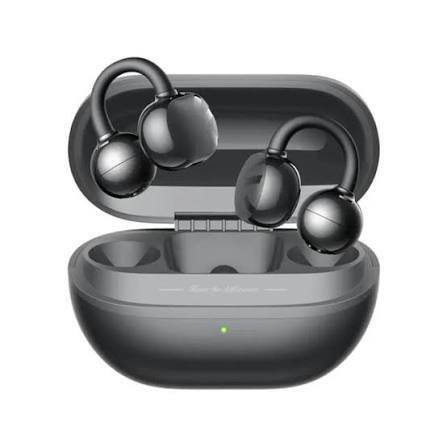
Open ear wireless earbuds are audio devices designed to deliver sound without sealing the ear canal. Unlike traditional in-ear earbuds, which sit inside the ear, many open ear models use small speakers positioned near the ears. Others feature lightweight clips or curved hooks that keep the speakers comfortably in place.
Most models connect to smartphones, tablets, and computers through Bluetooth, eliminating the need for traditional wired connections. Depending on the design, they may also include built-in microphones, touch controls, rechargeable batteries, and water resistance.
The main idea behind open ear technology is to combine convenient listening with environmental awareness. Users can enjoy their favorite audio while remaining more conscious of nearby conversations, traffic, and other sounds.
However, open ear earbuds do not guarantee complete awareness or safety. Music volume, background noise, and the surrounding environment can still affect how well someone hears what is happening nearby.
Why Open Ear Earbuds Are Useful for Workouts
Comfortable Listening During Exercise
Comfort is an important consideration when choosing workout accessories. Traditional earbuds may move during intense exercise or create pressure inside the ear canal. Open ear designs can offer an alternative for people who find in-ear products uncomfortable.
Many models use lightweight materials and flexible ear hooks to maintain a stable fit during walking, jogging, cycling on stationary equipment, and gym sessions. Their designs can also reduce the feeling of having something inserted directly into the ears.
Since ear shapes and preferences differ, it is important to choose a model that fits securely without causing pressure or irritation.
Staying Aware During Outdoor Activities
Outdoor exercise often takes place in environments where awareness matters. Runners may encounter other pedestrians, cyclists, vehicles, or unexpected obstacles. Open ear earbuds allow some environmental sound to reach the ears naturally, which can be helpful when exercising in shared public spaces.
Nevertheless, they should not replace safe exercise habits. Runners and cyclists should remain attentive, follow local traffic rules, and avoid relying on audio equipment alone to detect approaching vehicles.
Resistance to Sweat and Moisture
Sweat resistance is another useful feature for fitness enthusiasts. Some open ear wireless earbuds carry an IP rating that indicates their resistance to dust or water under specified testing conditions.
Before purchasing a pair, check the manufacturer’s stated protection rating and cleaning instructions. Not every model is suitable for heavy sweating, rain, or water exposure. Water resistance also does not automatically mean that a product is waterproof.
Choosing suitable moisture protection can help the earbuds remain reliable during regular workouts.
Open Ear Wireless Earbuds for Commuting
A Practical Choice for Daily Travel
Commuting often involves walking to public transportation, waiting at stations, navigating crowded sidewalks, or traveling between work and home. Open ear wireless earbuds provide a convenient way to listen to music, podcasts, audiobooks, and news during these activities.
Because their design does not completely seal the ear canal, users may find it easier to notice announcements and nearby conversations than when using strongly isolating earbuds. Actual awareness depends on the design, volume, and surrounding noise.
For busy commuters, this balance between audio entertainment and environmental sound can be valuable.
Convenient Hands-Free Communication
Many open ear models include microphones for phone calls and voice communication. This can be useful when answering work calls, speaking with friends, or joining online conversations while moving between destinations.
Microphone quality varies between models. Wind, traffic, crowds, and other background sounds can affect call clarity, so checking independent reviews can help identify suitable options.
Some products also include noise-reduction features for calls. These features may improve voice pickup, but they do not necessarily eliminate every surrounding sound.
Lightweight and Portable Design
Commuters often carry several everyday essentials, including smartphones, wallets, chargers, and keys. Compact earbuds with a small charging case can fit easily into a backpack, handbag, or jacket pocket.
A lightweight design also makes it convenient to transition between walking, working, and relaxing without changing audio equipment. For people with busy schedules, portability can be just as important as sound quality.
Everyday Activities Made More Convenient
Listening While Working
Open ear wireless earbuds can be useful in home offices, shared workspaces, and other environments where users need to listen to audio while remaining available for conversation.
They can support podcasts, online training sessions, video meetings, and background music. Since they do not fully block the ear canal, some users may find it easier to hear colleagues or household members.
However, they are not necessarily ideal for every workplace. Open ear designs allow more sound to escape, which may disturb nearby people, and busy environments can make quiet audio difficult to hear.
Enjoying Music and Podcasts at Home
Daily household activities often become more enjoyable with audio. Listening to music while organizing a room, preparing meals, folding laundry, or completing other routine tasks can make these activities feel less repetitive.
Open ear earbuds can be especially useful for people who dislike the enclosed feeling of traditional in-ear products. They allow users to enjoy audio without inserting the earbuds deeply into their ears.
Their usefulness still depends on personal preference, room noise, and the type of content being played.
Staying Connected During Walks
Walking is a simple way to move around the neighborhood, visit local shops, or take a break from a desk. Open ear earbuds can provide music or spoken content without completely isolating the listener from environmental sounds.
For example, someone walking through a park may enjoy a podcast while remaining more aware of other people nearby. Keeping the volume moderate is important, particularly around roads, intersections, and crowded areas.
Important Features to Consider Before Buying
Sound Quality
Sound quality should remain a priority when selecting wireless earbuds. Consider clarity, vocal reproduction, bass response, and overall balance. Open ear models can sound different from sealed in-ear earbuds because their speakers interact with the surrounding environment.
They may not provide the same bass impact or noise isolation as some conventional designs. Listening preferences vary, so reading detailed reviews or testing a pair when possible can help establish whether its sound profile meets your expectations.
Battery Life and Charging
Battery life determines how long earbuds can operate before requiring a recharge. People who commute for long periods or use earbuds throughout the day may benefit from longer playback time and a charging case that provides additional charges.
Manufacturers often publish estimated battery figures under particular testing conditions. Actual performance may differ depending on volume, Bluetooth connection, microphone use, and other features.
Fast charging, when available, can also be useful for people who frequently forget to charge their devices overnight.
Fit and Wearing Stability
A comfortable fit is essential for extended listening. Look for adjustable or flexible hooks, lightweight construction, and materials that feel comfortable against the skin.
The earbuds should remain stable during normal movement without pressing uncomfortably against the ears. If possible, test the fit before committing to a purchase, especially if you plan to use them for exercise.
Bluetooth Connectivity and Controls
Reliable Bluetooth connectivity helps maintain a consistent listening experience. Check the supported Bluetooth version, device compatibility, pairing process, and whether the earbuds can connect to more than one device.
Physical buttons or touch controls can make it easier to adjust volume, pause playback, or answer calls. The best control system is one that responds reliably without requiring frequent adjustments.
Durability and Build Quality
Daily use exposes earbuds to repeated handling, occasional drops, sweat, and transportation inside bags or pockets. Strong construction and a well-designed charging case can contribute to long-term convenience.
Check the product warranty, replacement policy, charging connector, and availability of customer support. These details are particularly useful when comparing models with similar prices.
Open Ear Earbuds Versus Traditional In-Ear Earbuds
The biggest difference between open ear and traditional in-ear earbuds is how they interact with the ear canal.
Traditional in-ear models often provide better passive noise isolation and may deliver stronger bass because their eartips form a seal. This can make them suitable for travel, focused listening, and noisy environments when used responsibly.
Open ear models prioritize a less enclosed listening experience and can allow environmental sounds to remain audible. They may appeal to people who dislike inserting eartips into their ears or want to maintain greater awareness during everyday activities.
Neither design is automatically better for everyone. Your decision should depend on comfort, sound preferences, intended activities, and the environments in which you plan to use the earbuds.
Tips for Using Open Ear Wireless Earbuds Responsibly
To get the most from open ear wireless earbuds, keep the following practices in mind:
- Use a moderate volume: Excessively loud audio can damage hearing, even when the ear canal remains open.
- Keep your surroundings in mind: Pause playback when crossing roads or dealing with situations that require full attention.
- Clean them regularly: Follow the manufacturer’s instructions to remove sweat, dirt, and residue.
- Charge them consistently: Store the earbuds in their case when they are not in use, following the product’s charging recommendations.
- Check the fit before exercise: Ensure they remain secure during movement without causing discomfort.
- Protect them from unsuitable conditions: Follow the stated water-resistance limits and avoid exposing them to conditions beyond their rating.
These simple habits can improve convenience, support product care, and encourage more responsible listening.
Conclusion
Open ear wireless earbuds offer a practical alternative for people who want convenient audio access during workouts, commuting, and daily activities. Their open design, wireless connectivity, and lightweight construction can make them suitable for exercising, walking, working, taking calls, and completing household tasks.
When choosing a pair, consider sound quality, battery life, comfort, Bluetooth performance, durability, and water resistance. It is equally important to understand their limitations, including reduced noise isolation and the possibility of sound leakage.
Ultimately, the right open ear wireless earbuds are those that match your routine and listening preferences. By comparing available features and using them responsibly, you can find a comfortable audio companion for many different parts of everyday life.