
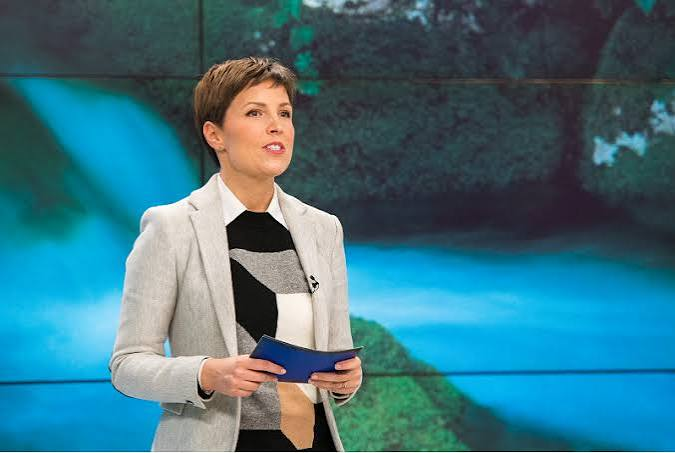
Every successful event needs more than a good venue, attractive decorations, and an organized schedule. The energy, communication, and flow of an event can strongly influence how guests experience it. This is where an event emcee plays an important role. An emcee, or master of ceremonies, acts as the central voice of an event, helping guide the audience through each part of the program while maintaining a welcoming and engaging atmosphere.
From corporate conferences and award ceremonies to weddings, fundraisers, and private celebrations, a skilled emcee can help transform a collection of scheduled activities into a cohesive experience. Their ability to communicate clearly, interact with guests, and manage unexpected moments makes them an important part of many professional events.
What Is an Event Emcee?
An event emcee is the person responsible for hosting and guiding an event. They introduce speakers, announce activities, welcome guests, provide important information, and help the program move smoothly from one segment to another.
The role involves much more than simply reading a prepared script. A professional emcee needs to understand the event’s purpose, audience, schedule, and overall tone. They may need to be formal and polished during a corporate presentation, energetic during a celebration, or warm and conversational during a community gathering.
An effective host becomes a communication bridge between organizers, participants, speakers, performers, and guests.
Why an Emcee Matters at an Event
Events often involve several different activities happening according to a specific schedule. Without someone coordinating the transitions, guests may become confused about what is happening next. An experienced host provides structure and keeps the audience informed.
A confident emcee can also help maintain audience attention. Long presentations, technical delays, or schedule changes can sometimes affect the atmosphere. A capable host knows how to communicate these situations professionally without allowing them to dominate the event.
The emcee also helps create continuity. Instead of making each activity feel separate, they connect different segments and maintain the overall theme of the occasion.
Key Responsibilities of an Event Emcee
One of the primary responsibilities is welcoming the audience. The opening moments can establish the atmosphere for the entire event, so the host needs to communicate enthusiasm and confidence.
Introducing speakers and performers is another important responsibility. An emcee should pronounce names correctly, understand relevant backgrounds, and provide enough context to make each introduction meaningful.
Time management is also essential. While the event organizer generally controls the schedule, the host helps keep the program moving. They can make announcements, prepare the audience for upcoming activities, and smoothly transition between segments.
An emcee may also communicate practical information, such as meal arrangements, seating instructions, event rules, sponsor acknowledgments, or upcoming activities.
Connecting With Different Audiences
Every audience is different. A corporate audience may respond well to a professional and informative communication style, while a wedding or celebration may require something more relaxed and entertaining.
A skilled host adjusts their approach according to the audience. They observe reactions, listen carefully, and use an appropriate tone throughout the event.
Audience interaction can also make an event feel more personal. Simple questions, encouraging applause, short activities, and friendly comments can help guests remain engaged.
However, interaction should always fit the occasion. A professional emcee understands when humor and audience participation are appropriate and when a more formal approach is necessary.
Preparing Before the Event
Good hosting begins before the event itself. Preparation allows an emcee to understand exactly what is expected and reduces the possibility of avoidable mistakes.
Before an event, the host should review the schedule, speaker information, names, announcements, pronunciation requirements, and important timings. They should also communicate with event organizers to understand the goals and preferred tone.
It can be helpful to prepare notes or a structured script while leaving enough flexibility for natural communication. A script provides guidance, but an emcee should not sound as though every sentence is being mechanically read.
Understanding the venue is another useful part of preparation. Knowing where speakers enter, where the stage is located, and how microphones or presentation equipment work can make transitions easier.
Handling Unexpected Situations
Even carefully planned events can experience unexpected situations. A speaker may arrive late, equipment may stop working, or a presentation may take longer than expected.
An experienced emcee remains calm during these moments. Instead of showing panic, they communicate clearly and help maintain audience confidence.
For example, during a short technical delay, the host can acknowledge the situation and keep guests informed while the technical team resolves the issue. The goal is not to hide every problem but to manage it professionally.
Flexibility is therefore one of the most valuable qualities of a successful host.
The Importance of Communication Skills
Strong communication is at the heart of emceeing. A host needs clear pronunciation, appropriate volume, good pacing, and confident body language.
Listening is equally important. An emcee needs to pay attention to organizers, speakers, stage managers, and audience reactions. Good listening helps the host respond appropriately when circumstances change.
Timing also matters. Speaking too quickly can make announcements difficult to understand, while speaking too slowly can reduce energy. A balanced delivery keeps information accessible while maintaining audience interest.
Creating Energy and Engagement
An event does not have to be loud or constantly entertaining to be engaging. The right level of energy depends on the occasion.
An emcee can create engagement through enthusiastic introductions, thoughtful transitions, audience participation, and positive communication. They can also recognize important people and celebrate milestones during the program.
The best hosts understand that they are supporting the event rather than trying to become the entire focus. Their job is to make speakers, performers, organizers, and guests feel connected to the occasion.
Choosing the Right Emcee
When selecting an emcee, event organizers should consider the type of event, audience, expected responsibilities, and desired communication style.
Experience with similar events can be useful because different occasions require different approaches. A host for a formal business conference may need different skills from someone hosting a large celebration.
Professionalism, preparation, confidence, adaptability, and communication should all be considered. It is also useful to discuss the event schedule and expectations with the potential host before making a decision.
Conclusion
An event emcee can play a central role in creating a smooth, organized, and engaging event. From welcoming guests and introducing speakers to managing transitions and responding to unexpected situations, the host helps connect every part of the program.
The most effective emcees combine preparation with flexibility. They understand their audience, communicate clearly, maintain appropriate energy, and support the event’s overall purpose. With the right host guiding the program, guests can enjoy a more organized and memorable experience from beginning to end.