
A reliable power bank has become an essential everyday accessory for people who depend on smartphones, tablets, wireless earbuds, smartwatches, and other portable electronics. Whether you are commuting to work, traveling, attending classes, or spending a long day away from a power outlet, having dependable backup power can prevent unnecessary interruptions. One particularly convenient option is a power bank with a built-in USB-C cable, which eliminates the need to carry a separate charging cable.
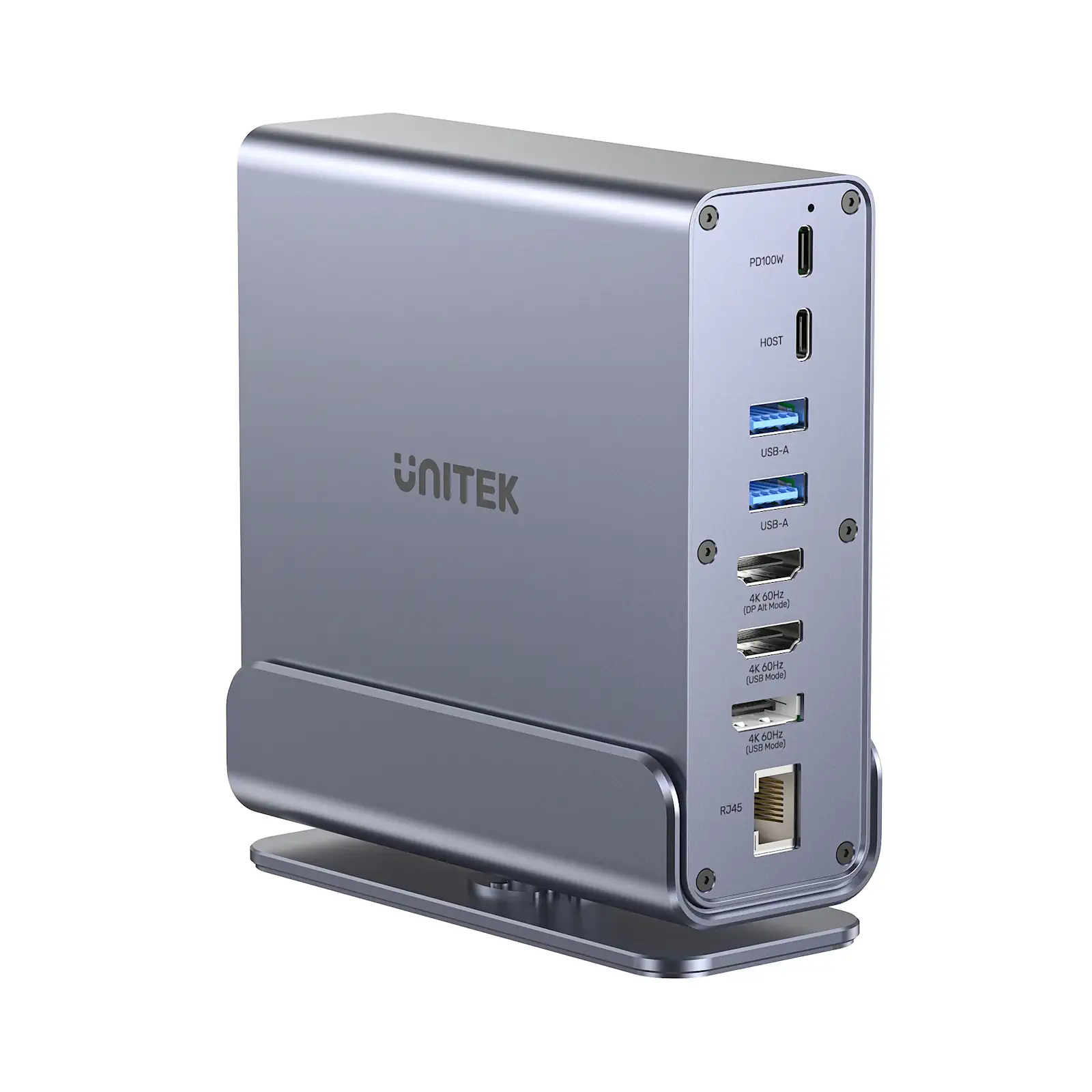
Choosing the right model, however, involves more than simply looking at battery capacity. Charging speed, portability, compatibility, safety features, durability, and cable quality can all affect the overall experience. It is also useful to consider how a power bank fits into a broader collection of technology accessories, especially if you regularly use a 15 in 1 docking station with your laptop or workstation.
Why a Built-In USB-C Cable Is Convenient
A built-in USB-C cable offers a practical solution to one of the most common problems with portable charging: forgetting or losing a cable. Since the cable is attached directly to the power bank, you can take the device with you without having to pack an additional accessory.
This setup is particularly useful for commuters and travelers. Instead of searching through a backpack for the correct cable, you can simply connect the built-in USB-C cable to a compatible device. It also reduces cable clutter when you are carrying several electronics.
USB-C has become increasingly common across modern smartphones, tablets, headphones, gaming accessories, and other electronics. Nevertheless, buyers should confirm the connector and charging requirements of their devices before purchasing a power bank.
Consider the Battery Capacity
Battery capacity is one of the most important factors when selecting a portable charger. Power banks are commonly described by their capacity in milliamp-hours, or mAh. Larger capacities generally provide more stored energy, but they can also increase the size and weight of the device.
For everyday smartphone use, a compact power bank can often provide enough backup power for one or more charging sessions. If you regularly carry a tablet or several devices, a higher-capacity model may be more appropriate.
There is a trade-off between capacity and portability. A very large power bank may provide excellent battery reserves but become inconvenient to carry every day. Think about your typical usage rather than automatically choosing the highest-capacity model available.
Check Charging Speed
Capacity tells you how much energy a power bank can store, but charging speed determines how quickly that energy reaches your device. A good daily-use power bank should support an output level appropriate for the devices you intend to charge.
Look for specifications that clearly state the USB-C output and supported charging standards. Fast-charging compatibility can significantly reduce the time required to restore a smartphone battery.
It is also worth checking whether the power bank supports multiple outputs. Some models allow you to charge more than one device simultaneously, which can be useful when carrying a phone, earbuds, smartwatch, or tablet.
Examine the Built-In Cable Carefully
Not every built-in USB-C cable offers the same performance. Before buying, check the cable’s specifications and construction.
A quality integrated cable should feel firmly attached to the power bank and should be designed for repeated bending and everyday handling. The cable should also support the charging speed advertised by the power bank. A high-capacity battery is less useful if its integrated cable cannot deliver power efficiently.
Some models include a cable storage mechanism or a recessed cable design. These features can help protect the connector when it is not being used.
Think About Size and Portability
Daily-use accessories should be convenient enough to carry regularly. A power bank that is too large or heavy may eventually be left at home, defeating its purpose.
Consider where you normally carry your electronics. A slim power bank may fit comfortably into a pocket, while a larger model may be better suited to a backpack or laptop bag.
If you already carry accessories such as a 15 in 1 docking station, laptop charger, mouse, headphones, and other equipment, reducing unnecessary cable clutter becomes even more valuable. A compact power bank with an integrated cable can help keep your everyday setup organized.
Look for Safety Features
Safety should be a major consideration when purchasing any rechargeable battery product. A quality power bank should incorporate protections designed to reduce risks associated with charging and battery operation.
Useful safety features may include overcharge protection, overcurrent protection, short-circuit protection, temperature monitoring, and protection against excessive discharge. Buyers should review the manufacturer’s specifications rather than assuming every power bank provides the same safeguards.
It is also important to purchase from a reputable manufacturer or retailer and avoid suspiciously inexpensive products with unclear specifications.
Check Device Compatibility
USB-C does not automatically mean that every device will charge at the same speed. Different devices can have different power requirements and charging protocols.
Before purchasing, check the specifications of your smartphone, tablet, headphones, or other electronics. Pay attention to the power output supported by both the power bank and the device.
If you use a mixture of older and newer electronics, you may also want a power bank that includes additional charging ports. This can make the unit more versatile without requiring multiple portable chargers.
Consider Pass-Through Charging
Some power banks support pass-through charging, allowing the power bank to receive energy while also charging another device. This can be convenient in certain situations, particularly when you have access to only one wall charger.
However, pass-through functionality is not essential for everyone. If you normally charge your power bank separately before leaving home, you may prefer to prioritize other characteristics such as capacity, charging speed, weight, and durability.
Evaluate Build Quality
A power bank designed for everyday use should withstand regular handling. Look for a sturdy exterior, secure connectors, and a design that does not feel excessively fragile.
The placement of the built-in cable is also important. A well-designed model should protect the cable and connector when they are not being used. Poor cable storage can lead to unnecessary stress on the connector over time.
A durable finish can also make the power bank easier to handle while reducing the likelihood of scratches and visible wear.
Match the Power Bank to Your Routine
The best power bank is not necessarily the one with the largest battery or the fastest specifications. It is the one that fits your daily routine.
For someone who mainly needs emergency smartphone charging, a lightweight model with a built-in USB-C cable may be ideal. A frequent traveler may prioritize higher capacity and multiple charging ports. Someone working from a laptop every day may prefer a higher-output model that complements a larger desktop setup featuring a 15 in 1 docking station.
Think about how often you need portable power, how many devices you carry, and how much weight you are willing to add to your bag.
Final Factors to Compare Before Buying
Before choosing a power bank with a built-in USB-C cable, compare several important specifications. Battery capacity, USB-C output, charging protocols, cable durability, number of ports, dimensions, weight, safety protections, and warranty support can all influence your decision.
It is also helpful to read product specifications carefully rather than relying solely on marketing descriptions. Look for clear information about input and output power, cable capabilities, battery type, and supported devices.
Ultimately, a good everyday power bank should provide a balance between convenience, performance, portability, and safety. A built-in USB-C cable makes charging simpler by reducing the accessories you need to carry, while the right capacity and output ensure that your devices receive the power they need throughout the day. When selected carefully, it can become one of the most useful accessories in a modern mobile technology setup.