
A power outage can happen unexpectedly because of severe weather, equipment failures, accidents, or problems with the electrical grid. While losing electricity can be inconvenient, one of the most important concerns is protecting food from unsafe temperatures. Refrigerated and frozen foods can spoil when they remain without adequate cooling for too long. Knowing what to do before, during, and after an outage can help reduce food waste and lower the risk of foodborne illness. This food safety during power outage guide explains practical steps for keeping food safe and determining what should be discarded.
Why Power Outages Create Food Safety Risks
Refrigerators and freezers are designed to keep perishable foods at temperatures that slow the growth of harmful bacteria. When the electricity stops, temperatures gradually rise. Bacteria can multiply rapidly when food enters the temperature range commonly known as the danger zone, between 40°F and 140°F.
The longer perishable food stays at unsafe temperatures, the greater the potential food safety risk. Foods such as meat, poultry, seafood, eggs, dairy products, cooked leftovers, and many prepared dishes require special attention.
A short outage may not create a serious problem if refrigerator and freezer doors remain closed. However, a prolonged outage requires careful evaluation.
What to Do Immediately When the Power Goes Out
The first rule is simple: keep refrigerator and freezer doors closed as much as possible. Every time the door opens, cold air escapes and warm air enters. This causes the internal temperature to rise faster.
Avoid checking the contents repeatedly. Instead, use a refrigerator or freezer thermometer if one is available. A refrigerator should normally be maintained at 40°F or below, while a freezer should remain at 0°F.
If the outage is expected to last for an extended period, prepare coolers with ice or frozen gel packs. Transfer highly perishable food to a cooler before the refrigerator becomes warm. Keep the cooler closed and place it in a cool location away from direct sunlight.
How Long Will Refrigerated Food Stay Safe?
An unopened refrigerator can generally keep food cold for approximately four hours during a power outage, provided the door remains closed. After that point, perishable foods require careful evaluation.
If the refrigerator temperature rises above 40°F for an extended period, foods such as raw meat, poultry, fish, milk, soft cheeses, cooked leftovers, eggs, and cut fruits and vegetables may become unsafe.
Do not rely on smell, appearance, or taste to determine whether food is safe. Dangerous bacteria may grow without producing an obvious odor or visible change. Tasting questionable food is particularly risky because even a small amount can potentially cause illness.
When in doubt, it is safer to throw away a perishable food rather than take a chance.
Protecting Frozen Food During an Outage
Frozen food generally has more protection than refrigerated food because a full freezer can remain at a safe temperature for approximately 48 hours when unopened. A half-full freezer may remain cold for around 24 hours.
Keeping the freezer door closed is essential. Frozen foods should remain at or below 0°F whenever possible.
When electricity returns, inspect frozen food carefully. Food that still contains ice crystals or feels refrigerator-cold may often be safely refrozen or cooked, although quality can decline. Foods that have completely thawed should be evaluated based on how long they were above safe temperatures.
A freezer thermometer can make this decision easier. If you regularly experience outages, keeping a thermometer inside both your refrigerator and freezer is a simple but useful preparation step.
Using Coolers and Ice Safely
A properly packed cooler can provide an effective temporary solution. Use plenty of ice, frozen gel packs, or containers filled with frozen water. The goal is to keep perishable food at 40°F or below.
Separate raw meat, poultry, and seafood from ready-to-eat foods. Keep raw foods in sealed containers or leakproof bags so their juices cannot contaminate other items.
Do not repeatedly open the cooler. Organize food before closing it so that the items you need most frequently are easy to access.
If you have access to dry ice, it can also help maintain freezing temperatures, but it must be handled carefully. Never place dry ice directly against bare skin, and ensure there is adequate ventilation because dry ice releases carbon dioxide as it sublimates.
Which Foods Should Be Discarded?
Knowing which foods are most vulnerable can make post-outage decisions easier. Perishable foods that have been exposed to unsafe temperatures for too long should generally be discarded.
These commonly include:
- Raw or cooked meat and poultry
- Seafood
- Milk, cream, and other dairy products
- Soft cheeses
- Eggs and egg-based dishes
- Cooked rice, pasta, and potatoes
- Soups, stews, and casseroles
- Deli meats
- Cut fruits and vegetables
- Leftovers
- Certain refrigerated sauces and prepared foods
Foods that are shelf-stable, unopened, and normally stored at room temperature are usually less affected by a temporary power outage.
When disposing of questionable food, place it in a sealed garbage bag to prevent odors, pests, or accidental consumption.
Avoiding Cross-Contamination
Food safety involves more than temperature control. During an outage, melted ice and leaking packages can create additional contamination risks.
Keep raw meat and seafood separated from foods that will be eaten without cooking. If raw meat juices leak onto other foods, those foods may need to be discarded.
Wash your hands thoroughly before handling food, especially after touching raw meat or contaminated packaging. Clean and sanitize surfaces that come into contact with leaking food packages.
If the power outage is caused by flooding, additional caution is necessary. Food or food containers that have come into contact with floodwater may be unsafe, particularly if packaging is damaged or contaminated.
Preparing Before a Power Outage
Preparation is one of the best ways to protect food. Keep refrigerator and freezer thermometers in place so you can monitor temperatures quickly.
Maintain a supply of ice packs and have at least one clean cooler available. If your area frequently experiences storms or planned electrical interruptions, consider keeping shelf-stable foods such as canned goods, crackers, peanut butter, dried foods, and bottled water in your emergency supplies.
Avoid overfilling the refrigerator because adequate air circulation helps maintain consistent temperatures. At the same time, a reasonably full freezer retains cold longer than an empty one. Containers of frozen water can help provide additional thermal mass.
You can also label foods with dates so that older items can be used first, reducing unnecessary waste.
What to Do When Power Returns
Once electricity is restored, check the refrigerator and freezer temperatures before deciding what to keep. Do not immediately assume everything is safe simply because the appliance is running again.
Look for signs of thawing, but remember that appearance alone cannot guarantee safety. Check thermometer readings when possible and consider how long the outage lasted.
Clean any spilled food or melted liquid inside the appliances. If an appliance develops an unusual odor after spoiled food has been removed, clean and sanitize its interior according to the manufacturer’s instructions.
Building a Reliable Emergency Food Plan
A power outage is much easier to manage when you have a plan. Keep emergency supplies together, including flashlights, batteries, coolers, ice packs, thermometers, bottled water, and shelf-stable foods.
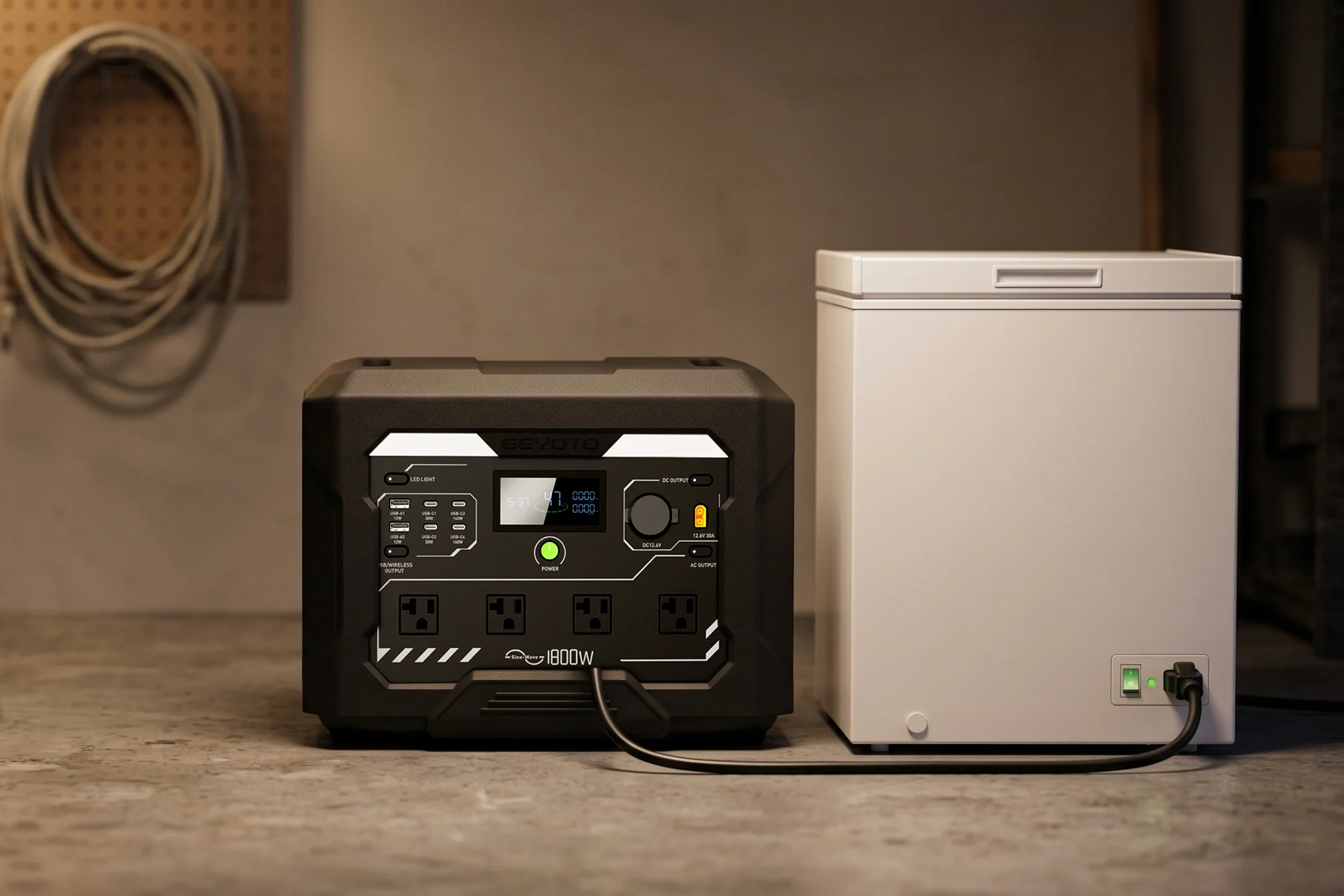
Households that rely on electrically powered medical equipment or have frequent extended outages may also benefit from an appropriate backup power solution for essential appliances. A generator or battery power station should always be operated according to its manufacturer’s safety instructions.
The key principle of this food safety during power outage guide is to control temperature, minimize door opening, prevent cross-contamination, and avoid guessing about questionable food. When food has been exposed to unsafe temperatures for too long, throwing it away is usually the safest choice. With preparation and sensible handling, you can protect your household, reduce food waste, and respond confidently when the electricity goes out.