
Introduction
Technology continues to transform the way people live, work, communicate, and entertain themselves. From smart home devices and wireless earbuds to wearable fitness trackers and intelligent accessories, innovative products are becoming an essential part of modern life. Every year, manufacturers introduce new gadgets designed to make everyday tasks easier, improve productivity, and provide more convenient ways to stay connected. However, with so many options available, choosing the right product can be challenging. This is where honest gadget and tech reviews become valuable.
A reliable technology review helps consumers understand what a product offers, how it performs in everyday situations, and whether it provides good value for money. Instead of relying entirely on advertisements or promotional claims, buyers can use detailed reviews to make informed decisions. These reviews explain product features, practical benefits, possible limitations, and important purchasing considerations.
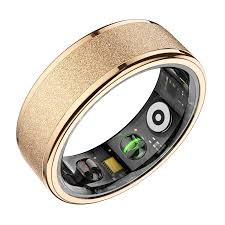
Wearable technology is one area receiving considerable attention. Smartwatches, fitness bands, and smart rings offer different ways to monitor daily activity and access useful information. For example, people researching the Colmi R10 smart ring UK market may want to understand its features, usability, compatibility, and overall value before making a purchase. Similarly, anyone searching for a budget smart ring with heart rate tracking should compare available options carefully rather than choosing a device based only on its price or appearance.
By exploring innovative products through honest gadget and tech reviews, consumers can discover useful technologies while avoiding unnecessary spending.
Why Honest Gadget and Tech Reviews Matter
Helping Consumers Make Informed Decisions
Product descriptions often highlight a gadget’s most attractive features, but they may not explain how those features perform during everyday use. An honest review provides a more balanced perspective by discussing both strengths and weaknesses.
For example, a wearable device might advertise health monitoring, sleep tracking, and smartphone connectivity. A detailed review should explain which features are supported, how the companion application works, and whether the information is presented clearly.
This approach allows readers to compare products based on practical needs instead of marketing promises. Someone looking for basic activity tracking may not require an expensive smartwatch with advanced functions. Meanwhile, a technology enthusiast might prefer a device offering greater customization and connectivity.
Understanding Real-World Performance
Specifications are useful, but they rarely tell the complete story. Battery life, comfort, reliability, software quality, and ease of use can significantly influence the ownership experience.
Honest technology reviews examine these practical factors. They help readers understand whether a device is suitable for daily routines, travel, work, exercise, or entertainment.
A review should also distinguish between manufacturer-provided specifications and features that have been independently tested. This distinction builds trust and prevents readers from confusing promotional statements with verified results.
Reducing Unnecessary Spending
Innovative gadgets can be exciting, but buying every new product is rarely necessary. Reviews help consumers identify devices that genuinely solve a problem or improve an existing routine.
A less expensive product may provide everything a particular user needs, while a premium model might include features that remain unused. By evaluating functionality, durability, and total ownership costs, buyers can make choices that better match their budgets.
Exploring the World of Wearable Technology
Smart Rings and Their Growing Popularity
Wearable technology is no longer limited to wrist-based devices. Smart rings provide another option for people interested in compact technology that fits naturally into their daily lives.
Unlike traditional smartwatches, smart rings are designed to be worn on a finger. Depending on the model, they may offer features such as activity tracking, sleep monitoring, heart rate measurements, or other wellness-related information.
Their small size can appeal to people who prefer minimal accessories or do not want to wear a watch throughout the day. However, their compact design also creates limitations. Most smart rings cannot provide the same screen-based interaction, notifications, or app access available on many smartwatches.
Consumers should therefore consider how a smart ring fits into their lifestyle before purchasing one.
Understanding the Colmi R10 Smart Ring UK Market
People researching the Colmi R10 smart ring UK market should begin by identifying the features offered by the exact model and checking current product specifications. Availability, pricing, included accessories, and seller policies may differ between retailers.
A useful review should examine the ring’s design, supported monitoring functions, charging arrangements, application compatibility, and reported battery performance. It should also explain whether the device meets the expectations of someone purchasing a smart ring for the first time.
Comfort is another important consideration. Because a smart ring is worn directly on the finger, selecting an appropriate size matters for everyday usability and the consistency of sensor readings. Buyers should check the manufacturer’s sizing guidance and return policy before ordering.
People purchasing from UK retailers should also consider delivery costs, warranty coverage, customer support, and return arrangements. A product that appears inexpensive initially may offer less overall value if replacement accessories are difficult to obtain or after-sales support is limited.
The most useful review does not automatically recommend a particular model. Instead, it explains the available evidence and helps readers decide whether the product suits their requirements.
Choosing a Budget Smart Ring With Heart Rate Tracking
A budget smart ring with heart rate tracking may appeal to people who want convenient access to basic wellness information without purchasing an expensive wearable device.
However, the word budget should not be the only factor guiding the decision. Consumers should evaluate sensor functionality, comfort, battery life, smartphone compatibility, application quality, and the availability of software updates.
Heart rate tracking can provide useful general information about changes in heart rate during everyday activities. Nevertheless, readings may vary because of movement, fit, sensor design, skin contact, and other conditions. A low-cost device should not be assumed to provide the same accuracy or functionality as specialized medical equipment.
Buyers should also investigate which features require a subscription, if any, and whether historical data can be accessed without additional payments.
The best choice is a product that offers dependable performance for its intended purpose, communicates its limitations clearly, and fits comfortably within the buyer’s budget.
Essential Features to Evaluate in Modern Gadgets
Design, Build Quality, and Comfort
Design influences more than a product’s appearance. It can determine how comfortable a gadget feels, how easily it fits into daily routines, and how well it withstands regular use.
When reviewing wearable devices, examine materials, dimensions, available sizes, water-resistance claims, and cleaning requirements. For electronics such as headphones or portable accessories, assess the quality of buttons, connectors, hinges, and other moving parts.
A well-designed product should balance attractive styling with practical functionality. Reviews should also explain whether the device feels suitable for extended use rather than relying entirely on photographs.
Battery Life and Charging Convenience
Battery performance is an important factor for nearly every portable electronic device. A gadget with useful features may become frustrating if it requires frequent charging.
Honest reviews should distinguish between advertised battery life and observed results. Actual performance depends on usage patterns, enabled features, environmental conditions, and battery age.
For smart rings, buyers should examine the charging method, charging time, case design, and estimated operating time. For wireless earbuds, charging cases and quick-charge capabilities may be equally important.
Consumers should be cautious about battery claims that lack supporting information. A review becomes more useful when it explains the conditions under which a battery estimate was measured.
Compatibility and Software Support
Hardware is only one part of the technology experience. Many modern products depend on companion applications, operating system compatibility, cloud services, or firmware updates.
Before purchasing, verify that a device works with the intended smartphone or computer. Check minimum operating system requirements, application availability, account requirements, and any limitations affecting specific features.
Software support also influences long-term value. Regular updates can improve reliability, introduce features, and address security issues. Reviews should identify any uncertainty about future support rather than promising updates that the manufacturer has not confirmed.
Privacy and Data Protection
Connected gadgets may collect information about activity, sleep, location, usage patterns, or other aspects of everyday life. Consumers should understand how this information is stored and processed.
A responsible review should examine privacy policies, account permissions, data-sharing practices, and available controls for deleting personal information. It should also explain whether certain functions require an internet connection or an online account.
For wearable health products, privacy deserves particular attention because the collected information may reveal personal routines. A convenient device should not require consumers to ignore basic data-protection concerns.
How to Identify a Trustworthy Technology Review
Look for Evidence Instead of Promotional Language
A trustworthy review explains how its conclusions were reached. It may include testing observations, documented specifications, screenshots, comparison results, or clearly identified manufacturer information.
Statements such as “the best gadget ever” or “perfect for everyone” provide little practical guidance without supporting evidence.
Readers should look for specific explanations of how a device performs, which features work as expected, and where improvements might be needed. Reviews should avoid inventing test results or presenting personal impressions as universal facts.
Check Multiple Sources
One review may not answer every important question. Comparing several independent sources can reveal recurring strengths, common complaints, and differences between advertised performance and user experiences.
Official product pages are useful for checking specifications, while independent reviews can provide additional context. Customer feedback may highlight issues involving delivery, durability, customer service, or application reliability.
However, individual reviews should be interpreted carefully. A single positive or negative experience does not necessarily represent the performance of every unit.
Look for consistent patterns across multiple credible sources, paying attention to the dates of publication and whether the reviewed model matches the product being considered.
Recognize Sponsored and Affiliate Content
Some technology websites earn money through affiliate links, sponsorships, or advertising. These arrangements are not automatically evidence of an unreliable review, but transparency is essential.
Readers should check whether the publisher clearly discloses commercial relationships and whether the article includes meaningful criticism where appropriate.
An honest review should not guarantee positive results simply because a company supplied a product or paid for promotional placement. Its primary purpose should be helping readers understand the product.
Exploring Other Innovative Product Categories
Smart Home Technology
Smart home devices can improve convenience through connected lighting, smart plugs, security sensors, thermostats, and voice-controlled assistants.
Before purchasing these products, consumers should examine installation requirements, network compatibility, privacy settings, and the possibility of recurring subscription costs.
A detailed review should also explain whether the device works independently or depends on a specific ecosystem. Compatibility can be especially important for households that already use connected products from different manufacturers.
Wireless Audio and Entertainment Gadgets
Wireless earbuds, headphones, portable speakers, and streaming accessories offer convenient ways to enjoy music, videos, games, and calls.
Important review criteria include sound quality, comfort, connection stability, microphone performance, battery life, and supported audio features.
For headphones, a reviewer should distinguish between passive noise isolation and active noise cancellation. For gaming accessories, latency and platform compatibility may matter more than decorative lighting or extra software features.
These practical details help buyers select products that match their actual entertainment habits.
Productivity and Everyday Accessories
Technology can also improve productivity through portable monitors, keyboards, ergonomic accessories, USB hubs, and charging equipment.
A product review should explain whether an accessory solves a specific problem and whether it works reliably with common devices. Build quality, portability, connectivity, and ease of setup can be more important than having the largest number of advertised features.
Consumers should also consider whether a simpler alternative would deliver comparable results at a lower cost.
Comparing Gadgets Before Making a Purchase
Create a Practical Comparison Checklist
Comparing products becomes easier when buyers establish their priorities before browsing retailers.
A simple checklist might include:
- Main purpose and essential features
- Purchase price and additional costs
- Battery life and charging requirements
- Build quality and everyday comfort
- Compatibility with existing devices
- Privacy and software support
- Warranty, returns, and customer service
- Independent reviews and recurring customer concerns
This approach prevents attractive marketing campaigns from distracting buyers from their actual needs.
For example, someone comparing smart rings may prioritize comfort, basic health tracking, and battery performance. Another buyer might care more about advanced fitness measurements or compatibility with a particular smartphone.
Different priorities can lead to different purchasing decisions, even when both consumers examine the same products.
Evaluate Value Rather Than Price Alone
The cheapest gadget is not always the most economical option over time. A low purchase price may be offset by poor durability, limited software support, costly accessories, or subscription requirements.
Likewise, a premium product is not automatically better for every user. Its additional features may offer little practical benefit to someone with simple requirements.
A balanced review considers the relationship between price, performance, reliability, and convenience. It should explain who is likely to benefit from a product and who might be better served by an alternative.
Consider Long-Term Usability
Innovative products should be evaluated beyond their first impression. A gadget may look impressive initially but become inconvenient if its application is unreliable or its charging process is awkward.
Long-term considerations include replacement parts, warranty service, software updates, battery degradation, and the availability of technical support.
For wearable devices, comfort and ease of maintenance may influence whether users continue wearing them consistently. These factors are worth considering alongside headline features and launch-day specifications.
The Future of Honest Gadget and Tech Reviews
More Personalized Technology Choices
As technology develops, reviews are becoming increasingly useful for people with different budgets, interests, and lifestyles.
Instead of recommending one product to everyone, effective review platforms can organize information around specific needs. Categories such as beginner-friendly wearables, affordable productivity tools, travel accessories, and smart home essentials help readers narrow their options.
Personalized recommendations are most valuable when they explain the reasons behind each suggestion and identify any compromises involved.
Artificial Intelligence and Smarter Comparisons
Artificial intelligence can help consumers summarize product specifications, compare features, and organize large amounts of customer feedback.
However, automated summaries should not replace careful verification. Incorrect specifications, outdated information, and misleading customer-review patterns can affect recommendations.
The strongest technology-review process combines useful digital tools with reliable sources, transparent testing methods, and human judgment.
Greater Emphasis on Sustainability
Consumers are also becoming more interested in product longevity, repairability, packaging, and electronic waste.
Reviews can support more responsible purchasing by examining whether devices can be repaired, whether accessories are replaceable, and whether manufacturers provide clear recycling guidance.
Choosing durable products and avoiding unnecessary upgrades can reduce waste while helping consumers get more value from their purchases.
Conclusion
Exploring innovative products through honest gadget and tech reviews gives consumers a practical way to understand modern technology. Reliable reviews explain real-world performance, identify limitations, compare alternatives, and help buyers decide whether a product deserves their money.
Wearable devices demonstrate why balanced information matters. People researching the Colmi R10 smart ring UK market or looking for a budget smart ring with heart rate tracking should evaluate verified specifications, comfort, compatibility, battery performance, privacy, and retailer policies before making a decision.
The same principles apply to smart home devices, audio accessories, productivity tools, and other modern gadgets. Instead of focusing exclusively on attractive advertisements or the latest trends, consumers should prioritize products that solve genuine problems and fit their needs.
Ultimately, honest technology reviews encourage smarter spending, realistic expectations, and greater confidence in purchasing decisions. By comparing credible information and considering long-term usability, buyers can discover innovative products that make everyday life more convenient without paying for features they do not need.