
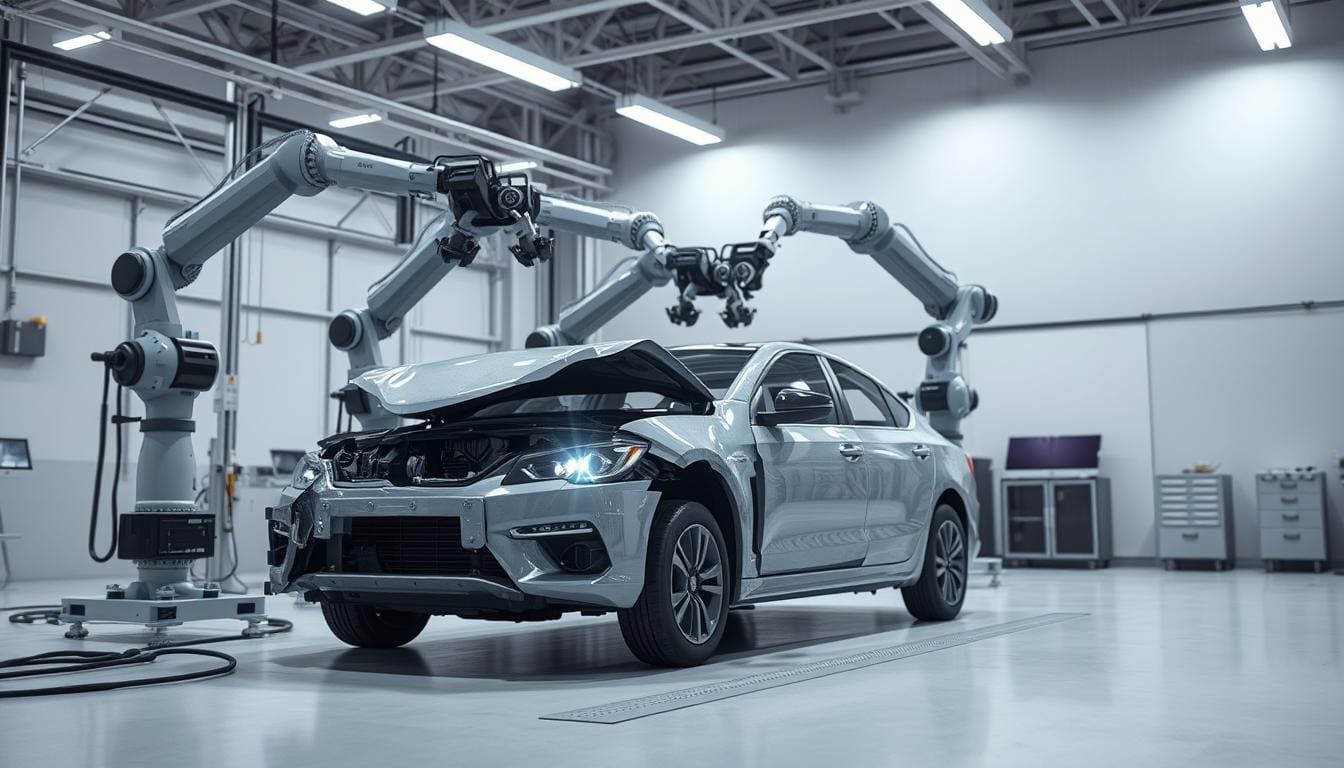
In modern auto body repair, digital tools and data-driven processes are reshaping how technicians approach each job. The emphasis is no longer on guesswork or manual tinkering alone; it’s about leveraging precise measurements, verified repair procedures, and real-time information to ensure safety and longevity. In many shops, the role of technology in modern auto body repair/ is more than a trend—it’s a structured approach to diagnosing, repairing, and validating work with precision.
Modern vehicles come with advanced driver assistance systems (ADAS), complex alloys, multi-material construction, and bonded assemblies. To repair them correctly, shops rely on diagnostic scanners that interface with vehicle controllers, software updates, and official repair databases provided by OEMs. 3D measurement systems capture exact geometry, which helps align frames and panels to factory specifications. Laser measuring and digital calipers reduce guesswork and return parts to pre-accident tolerances. Digital color matching and paint formulation ensure color accuracy across light conditions and finishes. The integration of AR (augmented reality) workflows and cloud-based data sharing accelerates approvals and ensures technicians follow the most current repair procedures.
Key technologies driving the change
- 3D scan and measurement systems
- ADAS calibration tools
- OEM repair databases and software
- Digital paint matching and color calibration
- Robotics and automated trim removal
- Digital workflow platforms and cloud data exchange
- Vehicle data traceability and repair documentation
Enhancing efficiency and quality
Digital workflows streamline estimates, parts ordering, and turn-around times, while robust documentation improves customer trust. Shops can generate transparent repair plans with step-by-step calibrations and timelines, which reduces rework and ensures adherence to safety standards. For customers, this translates into shorter downtime, predictable costs, and a clear record of work performed, including calibrated sensor alignments and post-repair road tests.
What to watch next
As vehicle electronics become more sophisticated, ongoing technician training remains essential. Manufacturers and industry associations emphasize certifications in ADAS, high-voltage systems for electric vehicles, and data security. Shops that invest in printable repair documentation, digital invoices, and customer portals position themselves as trusted partners rather than simple service providers. Additionally, the evolution of vehicle-to-vehicle and vehicle-to-infrastructure communications will require new data-handling practices and calibrated testing environments to verify sensor performance after repairs.
In summary, embracing the role of technology in modern auto body repair/ means more accurate repairs, safer vehicles, and better customer experiences. By combining precise measurement, up-to-date repair data, and transparent processes, shops can meet the challenges of today’s multi-material, sensor-rich vehicles while preparing for tomorrow’s innovations.
For more updates, check the NewsDest homepage.