
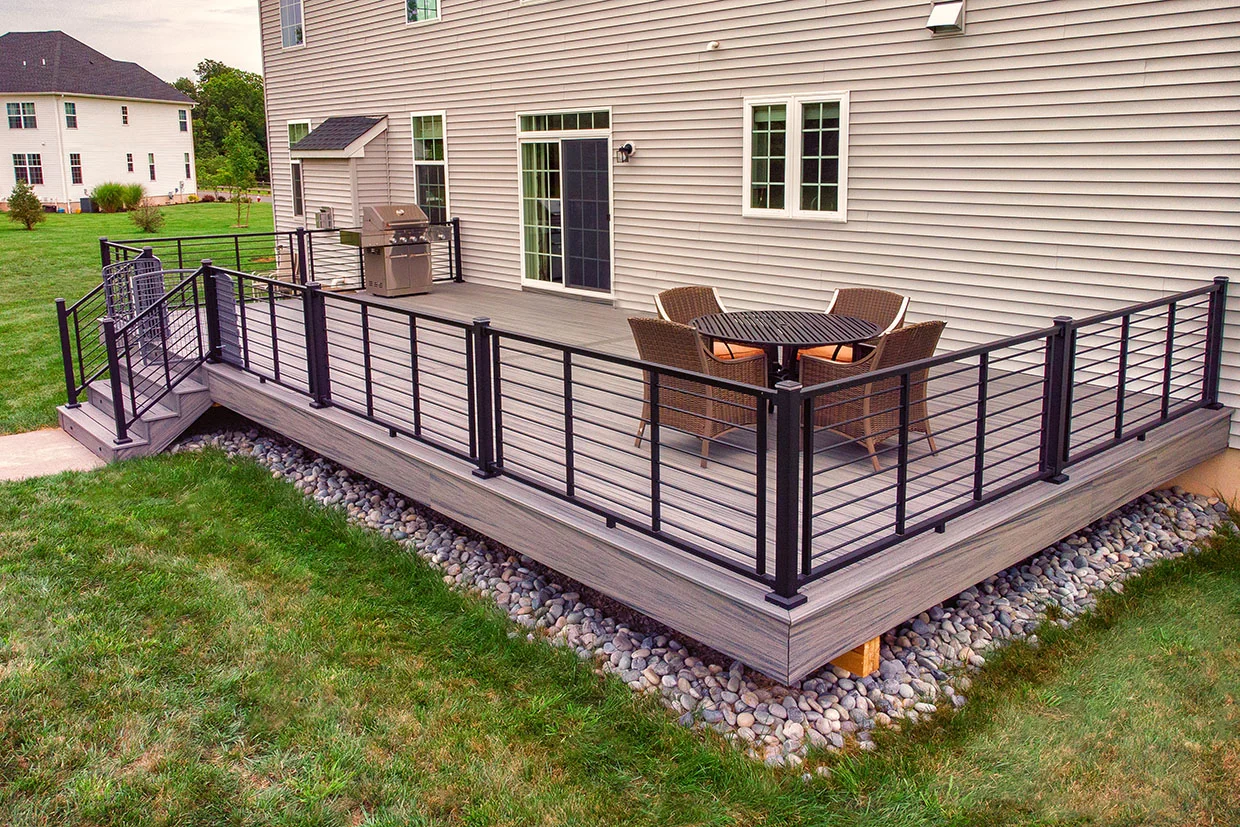
A well-designed deck railing does more than keep you safe; it frames your outdoor living space, defines traffic flow, and complements your home’s architecture. If you’re planning an upgrade this season, start with a thoughtful set of deck railing ideas that balance durability, aesthetics, and maintenance. In this guide, you’ll discover material options, design strategies, and practical tips to help you pick railings that suit your climate, budget, and lifestyle.
Materials and Styles That Define Your Look
Wood railings bring warmth and a timeless charm that works with cottage, craftsman, or traditional exteriors. Cedar and redwood resist weathering, and a carved or shaped baluster can add custom character. For a low-maintenance route, composite or vinyl rails resist moisture, warping, and fading while still offering a natural look in many finishes. Metal railings—such as aluminum or wrought iron—provide strength, a sleek silhouette, and long-term durability, especially in coastal or seriously exposed environments. Glass panels or acrylic inserts create an almost invisible barrier, preserving sightlines and making small spaces feel larger. A trendy, durable option is a mixed-material approach, like a wood cap rail with metal balusters, which blends warmth with contemporary edge. If you crave a truly minimalist vibe, cable railings with stainless steel cables deliver clean, open lines that highlight views rather than the railing itself.
Design Considerations for Proportions and Style
When selecting a style, consider how line, rhythm, and material contrasts affect the overall look. A railing should echo the proportions of your deck and home, enhancing curb appeal without overpowering your outdoor space. For elevated decks, opt for heavier posts and steel brackets to improve stability, while keeping baluster spacing within code and ensuring a secure handhold. If you want more airiness, choose slim balusters or glass with minimal frames to preserve sightlines. Color coordination matters, too: dark metalwork can ground lighter wood tones, while white or light-gray rails brighten a porch and pair well with cool-toned decking. Decorative post caps, trim details, or integrated planters can add personality without compromising safety.
Safety, Lighting, and Maintenance
Function meets form when you integrate safety features and thoughtful lighting. Ensure the railing height and baluster spacing comply with local codes, and install a comfortable, durable handrail. Lighting along the top rail or under-rail LEDs improves nighttime safety and ambiance. Weatherproof finishes—such as powder-coated metal, marine-grade paints, or UV-resistant stains—extend the life of your rails, keeping color and luster with minimal upkeep. For DIY enthusiasts, modular components and pre-finished pieces can speed installation, but always seal fasteners and joints to prevent moisture intrusion. Remember, regular maintenance—cleaning, re-sealing, and inspecting for loose posts—keeps your railing safe and attractive for years.
If you’re exploring options and wanting a curated set of ideas, you might search for deck railing ideas, a resource that aggregates materials, styles, and project ideas suitable for coastal, urban, or rural settings.
Beyond individual styles, consider how your railing integrates with lighting, furniture, and landscaping to build a cohesive outdoor living area. Plan for maintenance windows, seasonal weather patterns, and accessibility needs to ensure your design remains functional throughout the year. If you want to explore further design inspirations and shopping guides, visit our site and browse comprehensive recommendations that help you choose the right materials, styles, and DIY approaches for your space.
For continued ideas and access to a broad range of design resources, visit WebDorbit—your starting point for outdoor living inspiration and practical guidance.